About Us
The Good Shepherd Agricultural Mission is a registered non-profit in northern India working through education, hostel support, agriculture, community service, animal rescue, and disaster relief.

Who We Are
The Good Shepherd Agricultural Mission is a registered non-profit society based in Banbasa, Uttarakhand, India. Officially registered on April 21, 1952, GSAM has served children, families, and the wider community for more than seven decades.
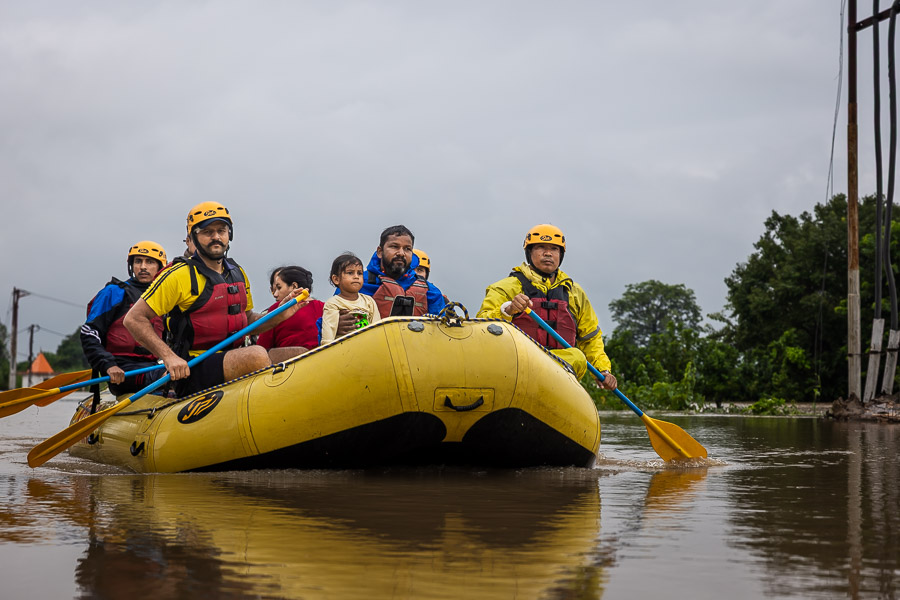
Today, our work brings together a student hostel, Maxton Strong School, sustainable agriculture, animal rescue, disaster relief, and community support programs. Across these areas, our goal is to create stability, opportunity, and long-term change for children and families from challenging backgrounds.
The Mission
Our mission is to help children, families, and communities build stronger futures through education, practical support, safe environments, and sustainable development.
We believe every child should be treated with dignity, every family deserves opportunity, and every program should be carried out with honesty, accountability, and respect for the community we serve.
Where We Are
GSAM is located in Banbasa, in Champawat District, Uttarakhand, India, near the Nepal border. Our campus sits in the foothills region of northern India, surrounded by farmland, forest, villages, and rapidly growing local communities.
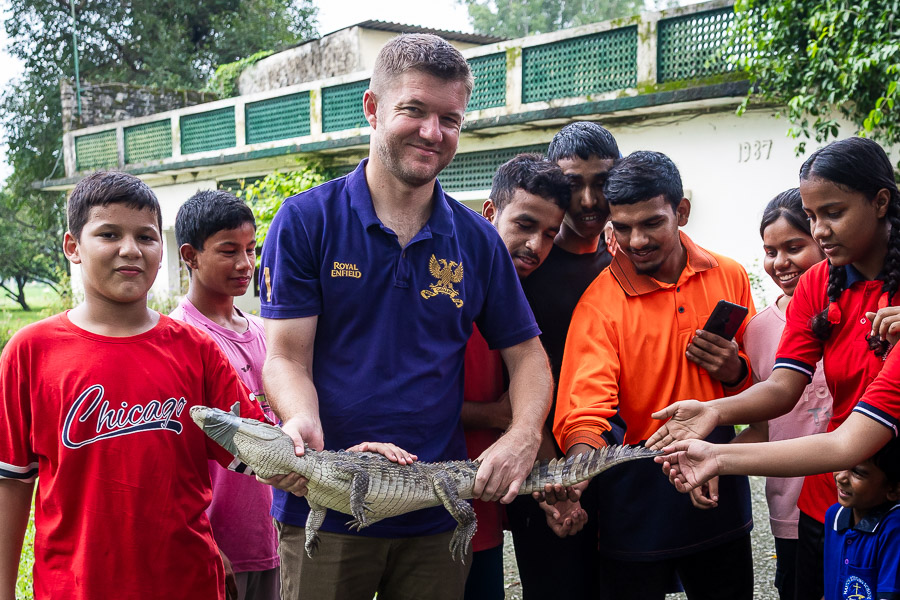
The Mission operates on a 73-acre campus, including approximately 55 acres of working farmland. This unique setting allows our work to combine education, residential hostel support, agriculture, practical training, and community service in one connected environment.
What We Do Today
The GSAM has grown over the years in response to the needs of the community around us. Today, our work is carried out through several connected programs:
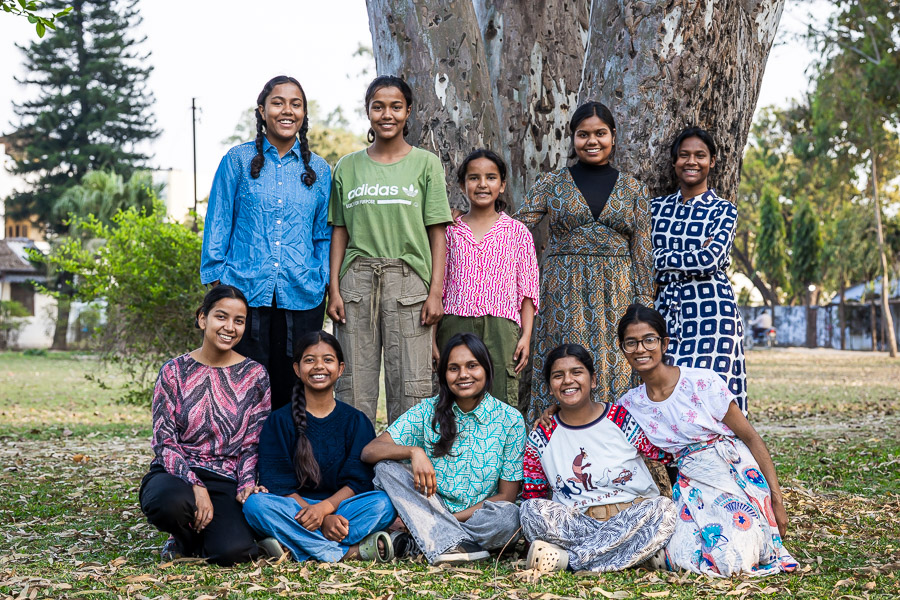
Children’s Hostels
A family-connected student hostel providing daily support, education, meals, mentoring, and opportunity.
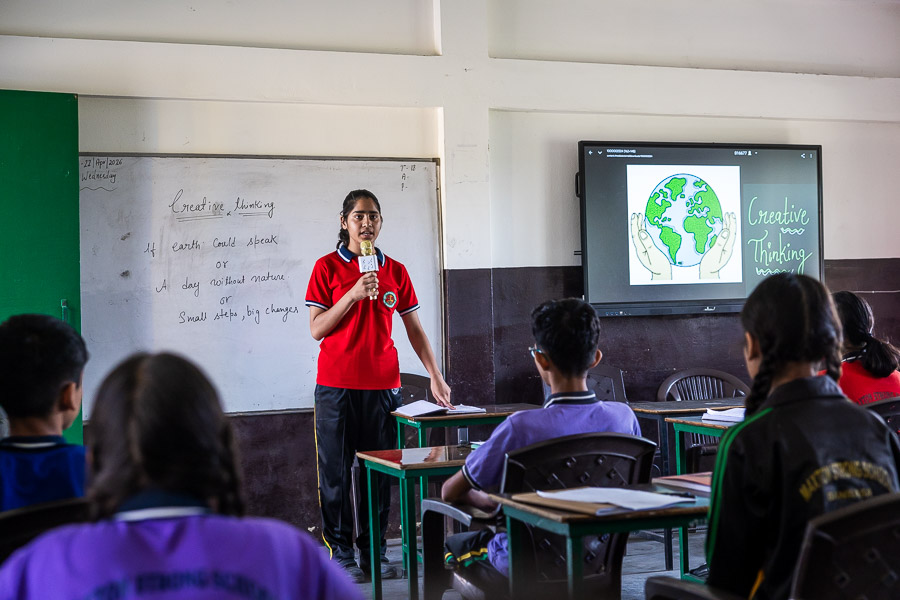
Maxton Strong School
A school on the GSAM campus serving hostel students and families from the wider community.

Our History In Brief
The roots of GSAM reach back to 1948, when Maxton Strong and his family were given land in northern India that would later become the Mission campus. The Good Shepherd Agricultural Mission was officially registered on April 21, 1952.
In earlier decades, GSAM operated in a very different context and was widely known for its work with children through an orphanage model. Over time, the needs of the community, child welfare practice, and the structure of the organization have changed.
Today, GSAM is not an orphanage. IndianOrphanage.com reflects our history, but our present work is focused on education, family-connected hostel support, agriculture, community development, animal rescue, and disaster relief.
Our story is one of hardship, growth, change, and long-term commitment to the community around us.

Governance & Accountability
The Good Shepherd Agricultural Mission is governed by a 7-member Governing Body elected from within the organization’s General Body, which currently includes 17 members. Meetings are held throughout the year to review operations, approve major decisions, oversee programs, and ensure the organization remains accountable to its purpose.
The Annual General Meeting provides a formal opportunity to review the year, discuss reports, consider future plans, and gather input from members and close supporters. In addition to official members, the AGM often includes 10–15 friends of GSAM who have walked closely with the organization and contribute advice, encouragement, and practical support.
GSAM is a registered non-profit society in India and maintains key registrations, reports, and financial documents for public review.
Safeguarding & Child Protection
The safety and dignity of children are central to the way GSAM operates. We work to maintain a campus culture where students are respected, supervised, heard, and protected.
GSAM has child protection policies and visitor guidelines in place, and all visitors, volunteers, and residents are expected to follow safeguarding standards. Public areas of the campus are monitored, staff are expected to remain alert to child safety concerns, and visitor access is supervised.
Students in the hostel are placed with us by their parents or legal guardians, who remain involved through contact, visits, and ongoing relationship. GSAM does not facilitate adoption and does not present the hostel as a Child Care Institution under the Juvenile Justice Act.