
Sustainable Agriculture
A working farm that helps feed the campus, generate income, reduce costs, teach practical skills, and move GSAM toward long-term self-sufficiency.
Agriculture At The Heart Of The Mission
Farming has been part of GSAM from the very beginning. What started as an agricultural training project has grown into a 73-acre campus, including 55 acres of working farmland that helps support the daily life of the Mission.
Our farm produces crops, fruit, milk, fish, and other resources that help feed the campus, reduce costs, and generate income. It also provides practical learning opportunities and helps keep the Mission connected to the land, the seasons, and the rural community around us.
Agriculture is not just part of our history. It is one of the ways we are building a more resilient and self-sufficient future.

What We Produce
The farm supports the Mission in several practical ways. Some produce is used directly on campus, while surplus crops help generate income for daily operations and future development.
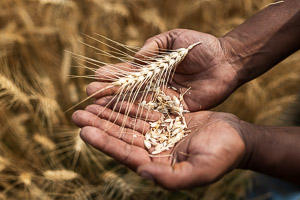
Grain Crops
We grow wheat, rice, and sugarcane across the farm, using what we need and selling surplus to help support the Mission.
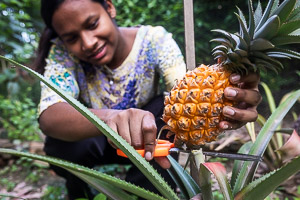
Fruit Orchards
Mangoes, lychees, jamoon, guava, amla, bananas, lemons, and seasonal fruit provide food, shade, and surplus produce.
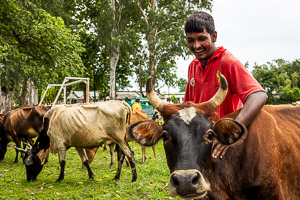
Dairy
Our dairy provides fresh milk for chai, porridge, curd, paneer, and daily nutrition on campus.
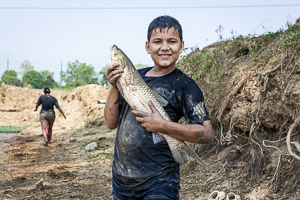
Fishponds
Our ponds provide food, learning, and a quiet source of protein for the kitchen.
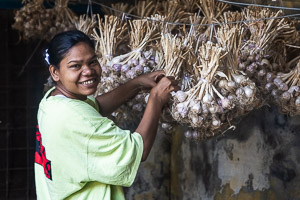
Kitchen Garden
Hardy herbs and vegetables add freshness to meals and give children simple hands-on experience with planting, watering, and harvesting.
Agriculture At The Heart Of The Mission
One of GSAM’s long-term goals is to become fully self-sufficient. The farm plays a major role in that vision by helping us feed the campus, reduce outside purchases, generate income, and protect the Mission from rising costs.
Together with Maxton Strong School and our workshops, the farm helps cover many of the regular expenses involved in running the Mission. We are already able to cover all staff salaries and many administrative costs through internal income streams, but we still rely on donors for major development projects, infrastructure, student support, emergency needs, and some day-to-day expenses.
Every improvement to the farm strengthens the Mission’s future. Better equipment, storage, irrigation, drainage, ponds, and workshop capacity all help move GSAM closer to the goal of one day funding its own work completely.
Our Workshop
Behind the fields, the farm workshop keeps the campus moving.
Our team handles a huge amount of maintenance, repair, welding, fabrication, plumbing, electrical work, and problem-solving in-house. Pumps, tractors, gates, fences, handrails, irrigation lines, storage fittings, vehicles, and tools all need regular attention, and the workshop allows us to respond quickly without waiting for outside contractors.
This saves money, reduces downtime, and keeps the campus practical and functional. It also turns everyday maintenance into a place of learning, where older students can see real skills being used to solve real problems.
Carpentry, Furniture, And Practical Skills
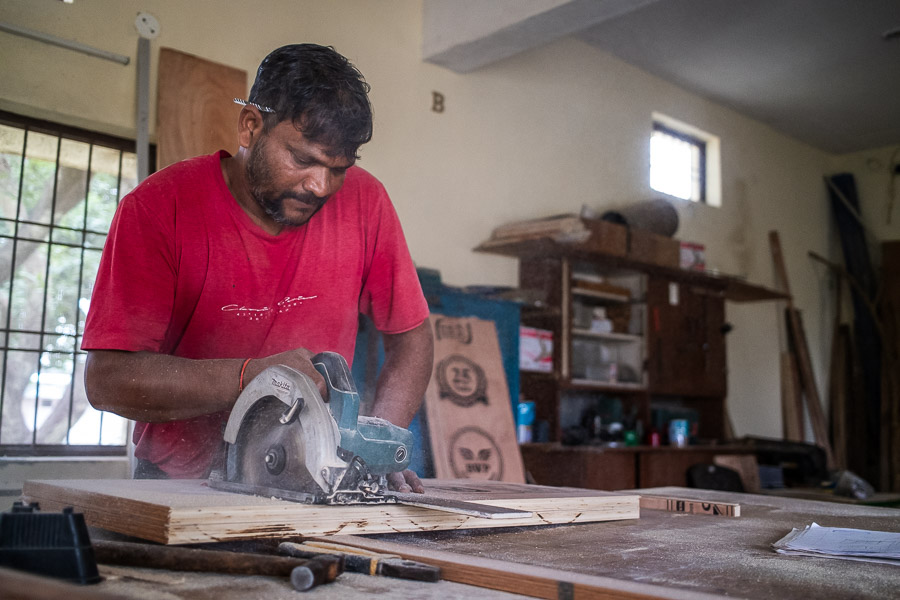
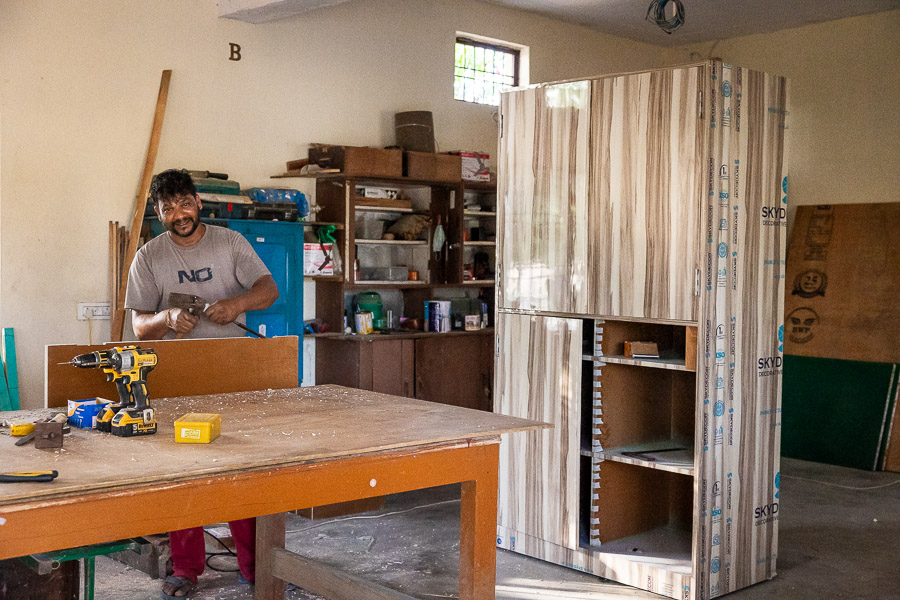
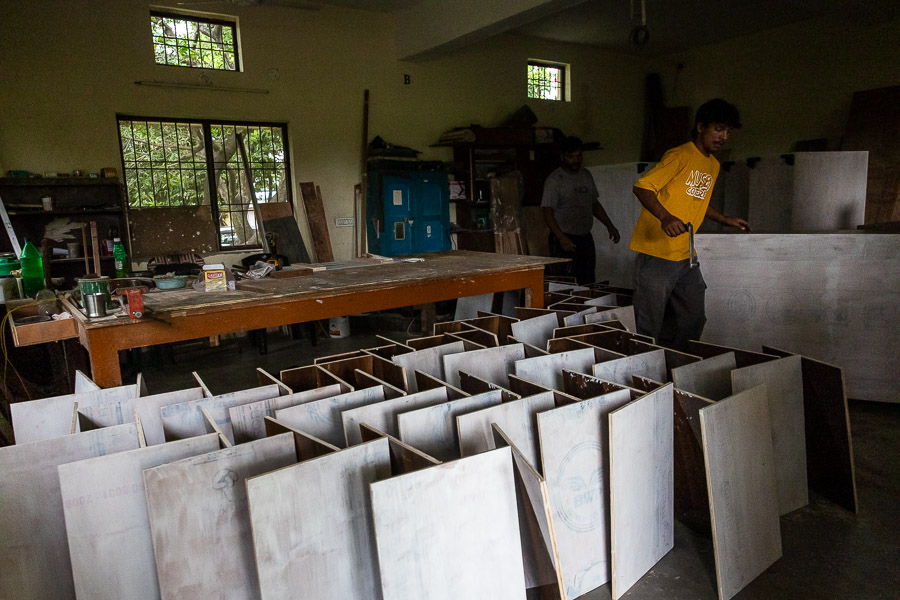
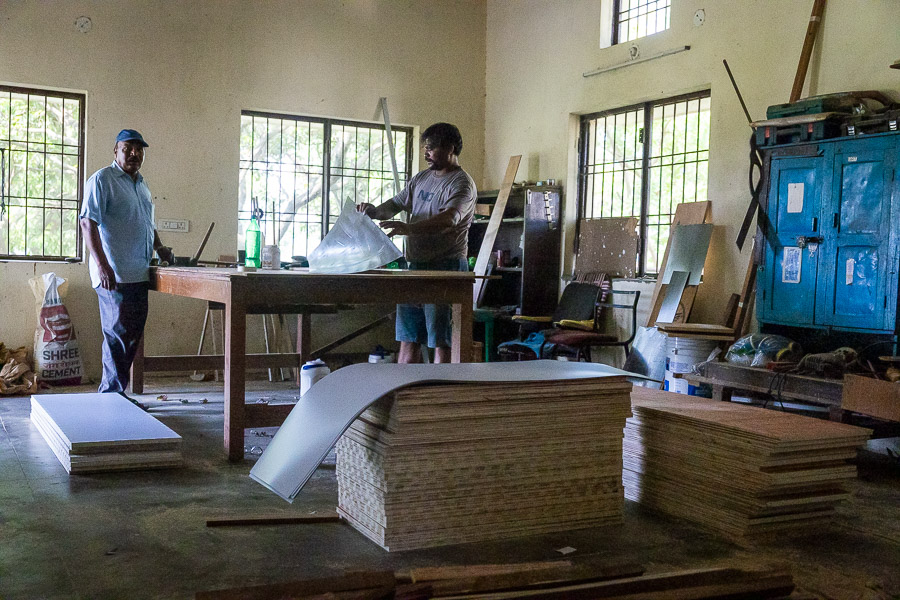
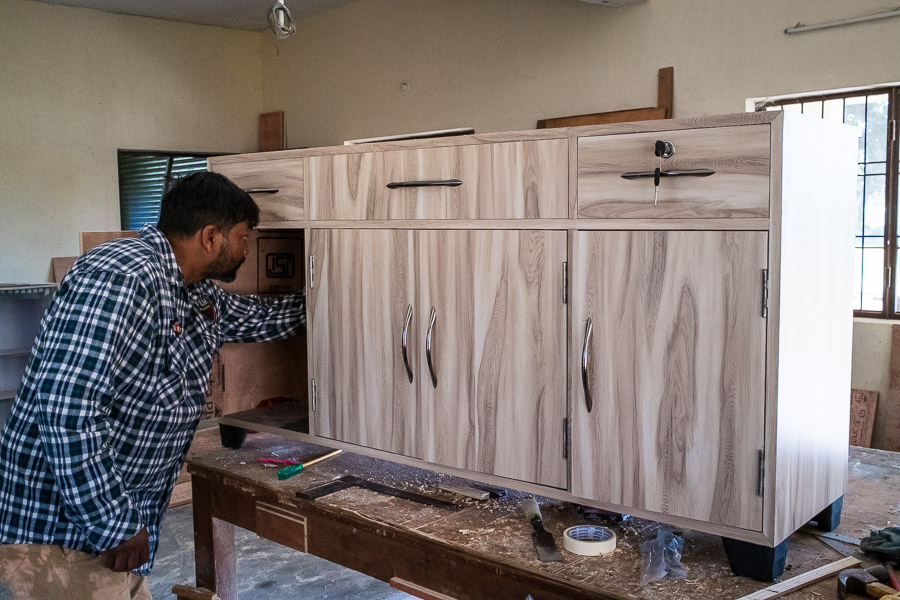
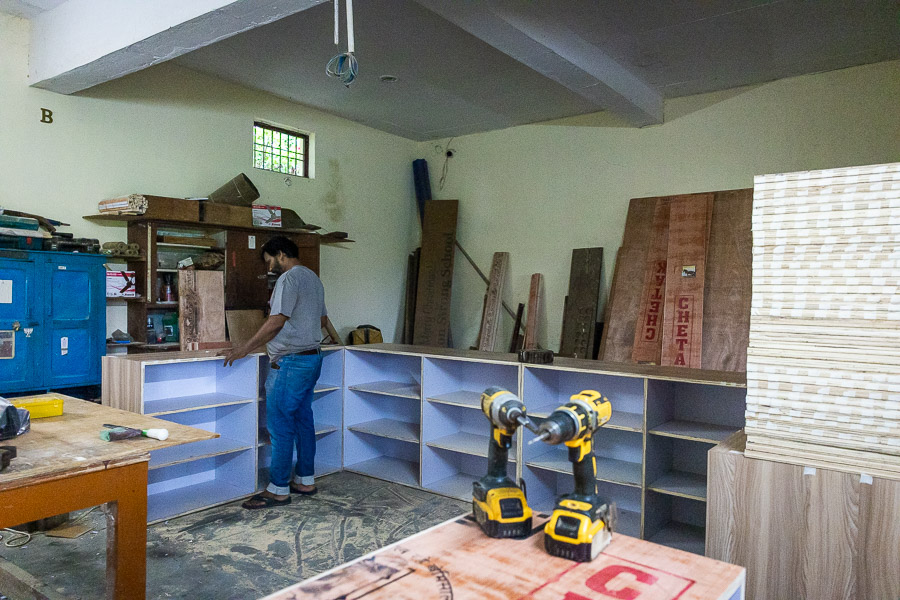
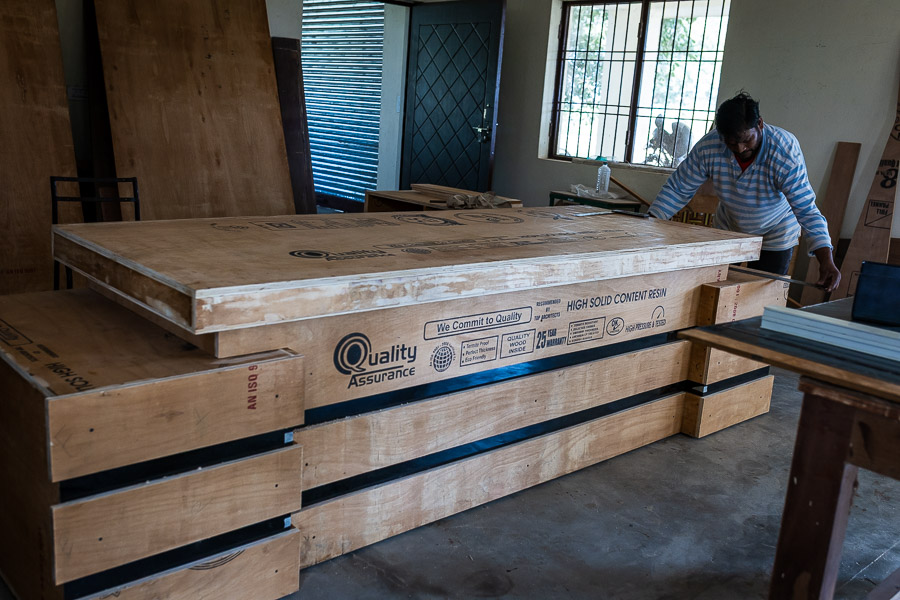
In addition to the farm workshop, GSAM also operates a dedicated carpentry workshop where our team maintains furniture, builds practical items for the campus, and creates custom pieces for school and hostel use.
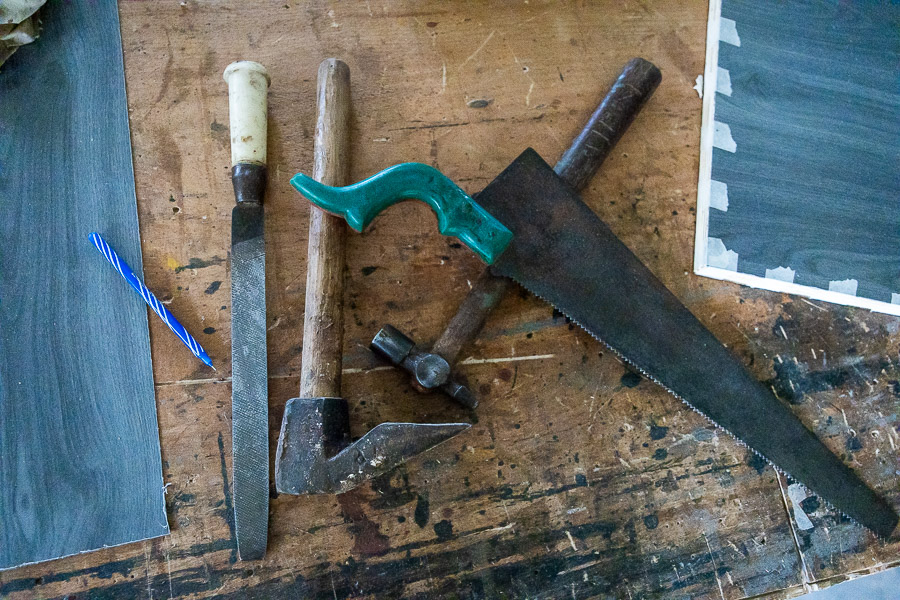
This workshop helps us reduce costs by repairing and fabricating items ourselves instead of purchasing everything new. It also creates a clean, organized space for hands-on skill development, where older students can be introduced to practical work, tools, design, measurement, and craftsmanship.
From school furniture and repairs to storage solutions and campus improvements, the carpentry workshop is one more way GSAM turns practical skills into long-term sustainability.
Growing For The Future
The farm is one of the most practical expressions of GSAM’s long-term vision. It feeds people, supports daily operations, teaches skills, reduces costs, and keeps us connected to the community around us.
As we look ahead, we hope to continue improving farm equipment, grain storage, pond systems, irrigation, drainage, workshop tools, and training opportunities. Each improvement helps make the Mission stronger, more resilient, and more self-sufficient.
By supporting the farm, you are helping build a future where GSAM can continue serving children, families, and the wider community for generations to come.