
The Story Of The Good Shepherd Agricultural Mission
Our History
From jungle land in northern India to a 73-acre campus serving children, families, animals, and the wider community, the story of GSAM is one of courage, hardship, adaptation, and lasting commitment.

The Beginning
The roots of the Good Shepherd Agricultural Mission reach back to the years immediately following Indian independence. The British colonial period had ended, the new nation was taking shape, and communities across India were facing the challenge of rebuilding, training, and preparing for the future.
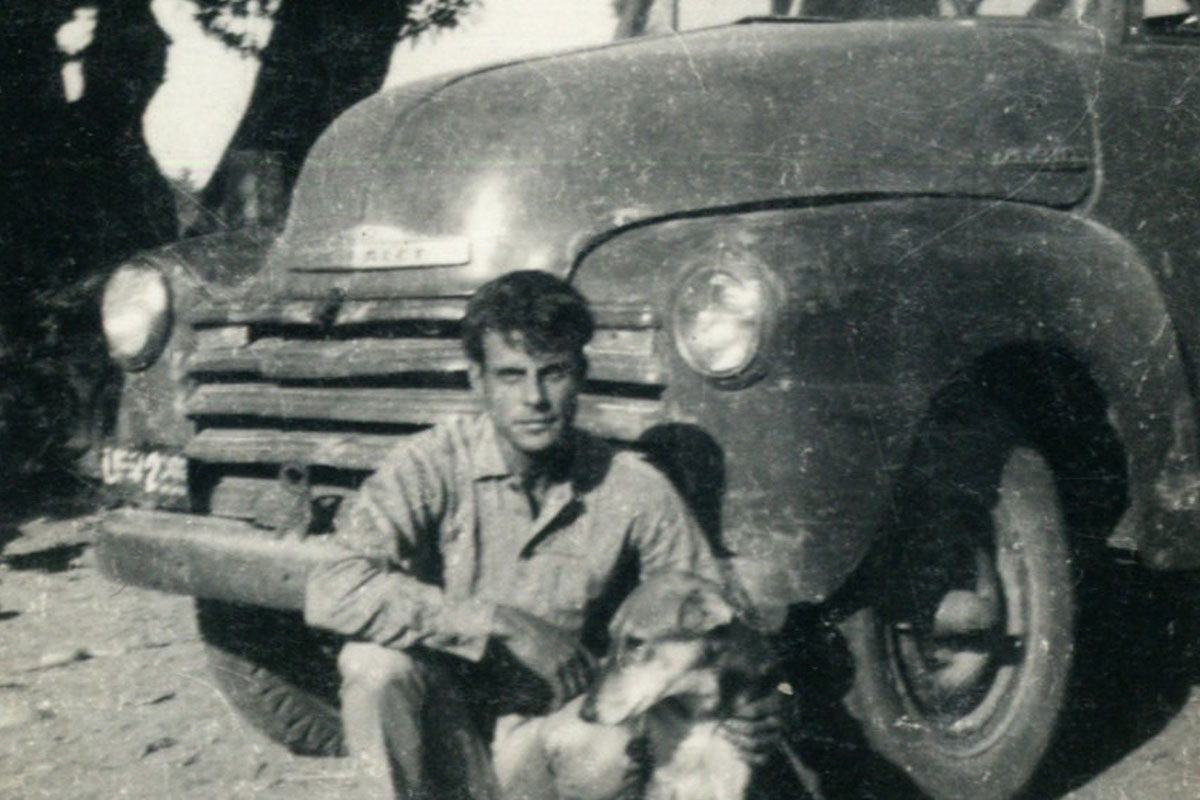
Maxton Davis Strong was an American agricultural educator who had been working in India during this period of change. Although he could easily have left, he was invited to remain and help establish a practical agricultural training project. The vision was to provide land, skills, discipline, and opportunity – particularly for Anglo-Indian children and young people who needed support and training in the uncertain years after independence.
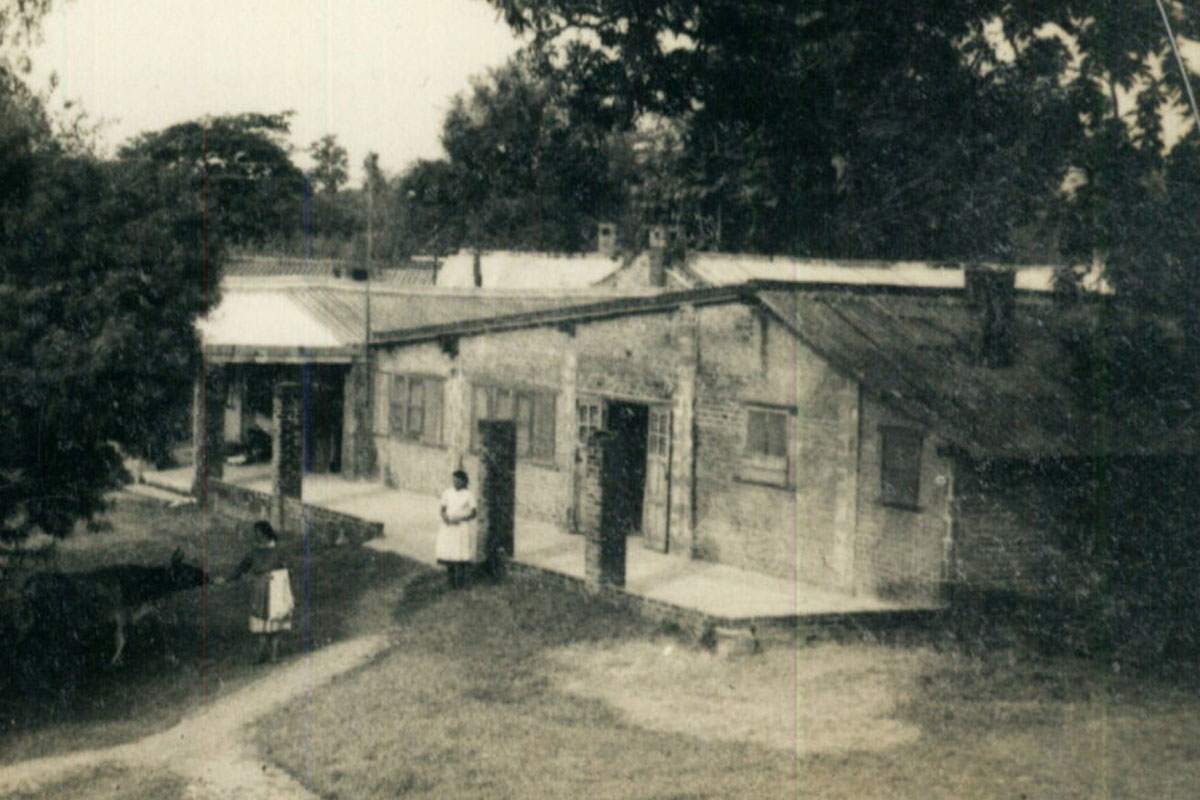
In 1948, Maxton was given land in northern India near the foothills of the Himalayas. At the time, the land was remote, wild, and difficult to access – surrounded by forest, farmland, wildlife, and communities still taking shape. Together with his wife Shirley and their young family, he began the hard work of building something that could serve the people of the region for generations.
The Good Shepherd Agricultural Mission was officially registered on April 21, 1952. What began as a rugged agricultural and social development project slowly grew into the campus and community work that continues today.

A Long Journey
The Strong family’s move to northern India was not a quick flight or simple relocation. Their journey took months by ship, carrying with them the tools, equipment, and determination needed to begin work in a remote part of the country.
Some of the early equipment arrived in pieces and had to be assembled after landing in India. From there, the family and their supplies made the long journey north toward Banbasa, where the Mission would eventually take root.
It is difficult to imagine today just how isolated the early campus was. There were no modern roads, few facilities, and constant challenges from weather, illness, distance, and wildlife. But those early years shaped the character of GSAM: practical, resilient, and willing to do whatever work was needed.
Early Life On The Farm
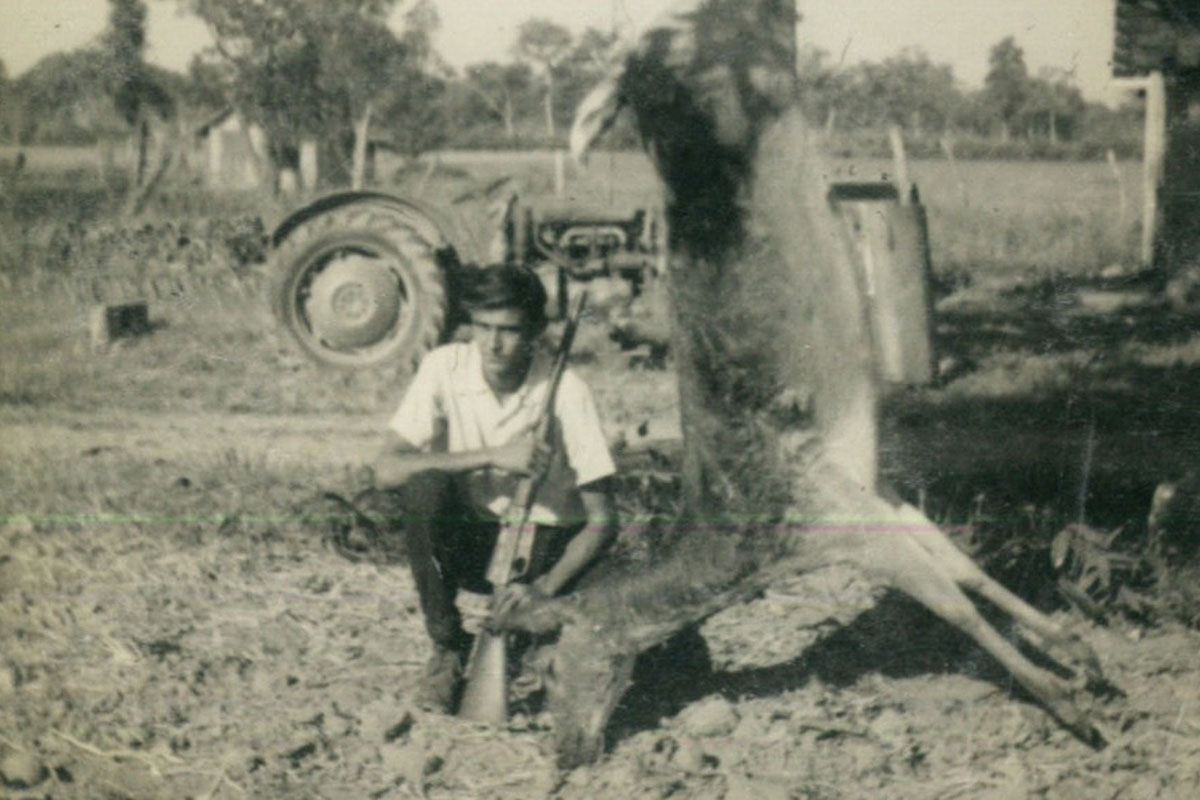
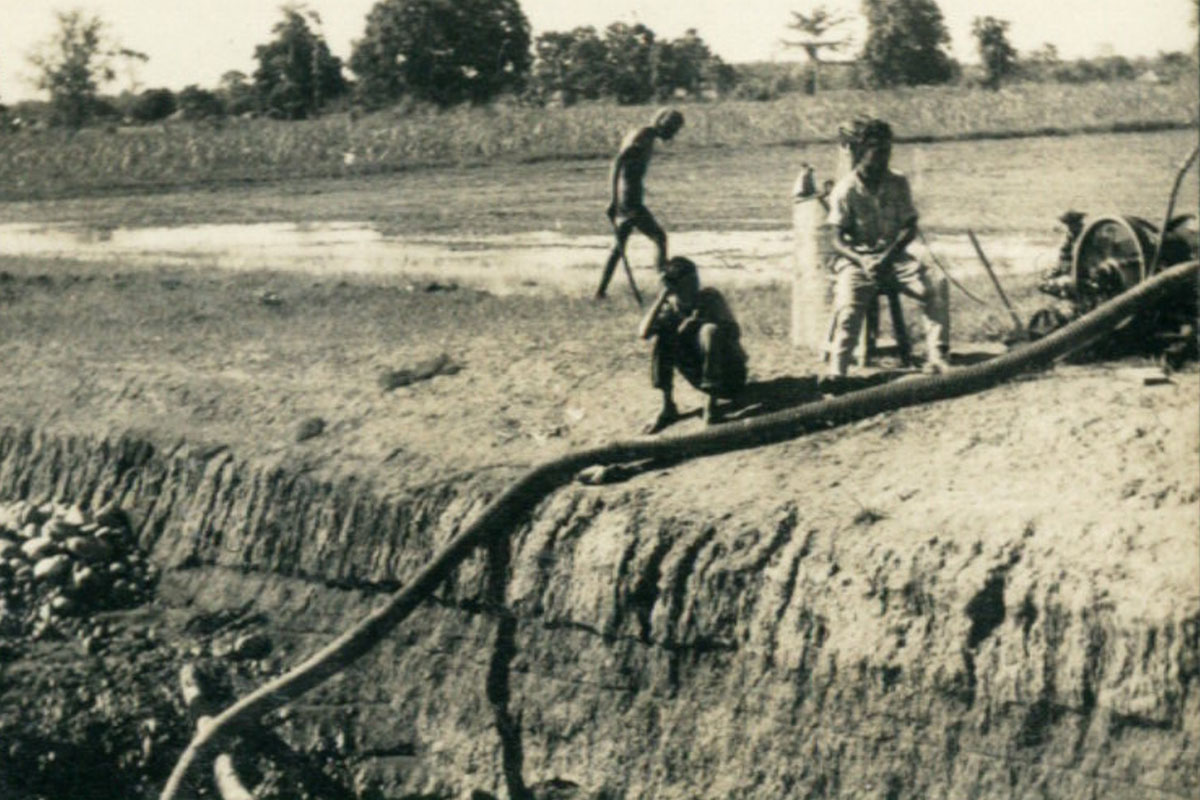
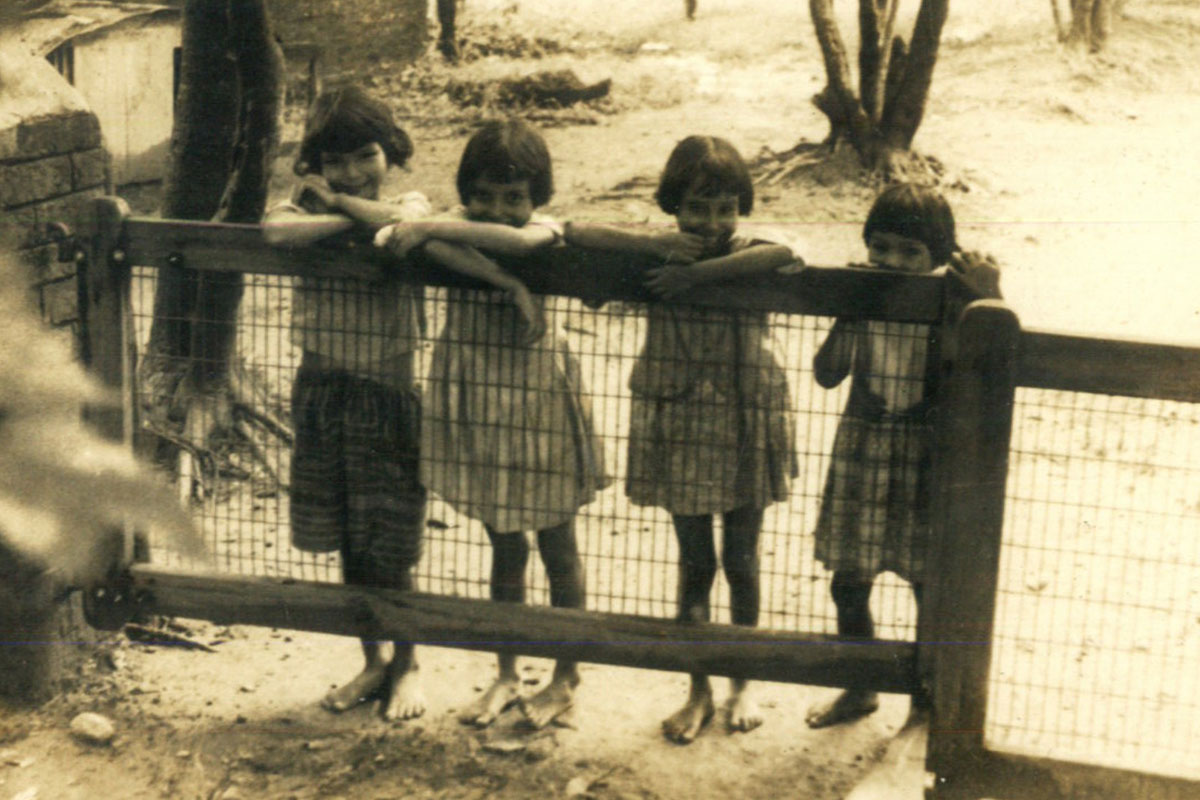
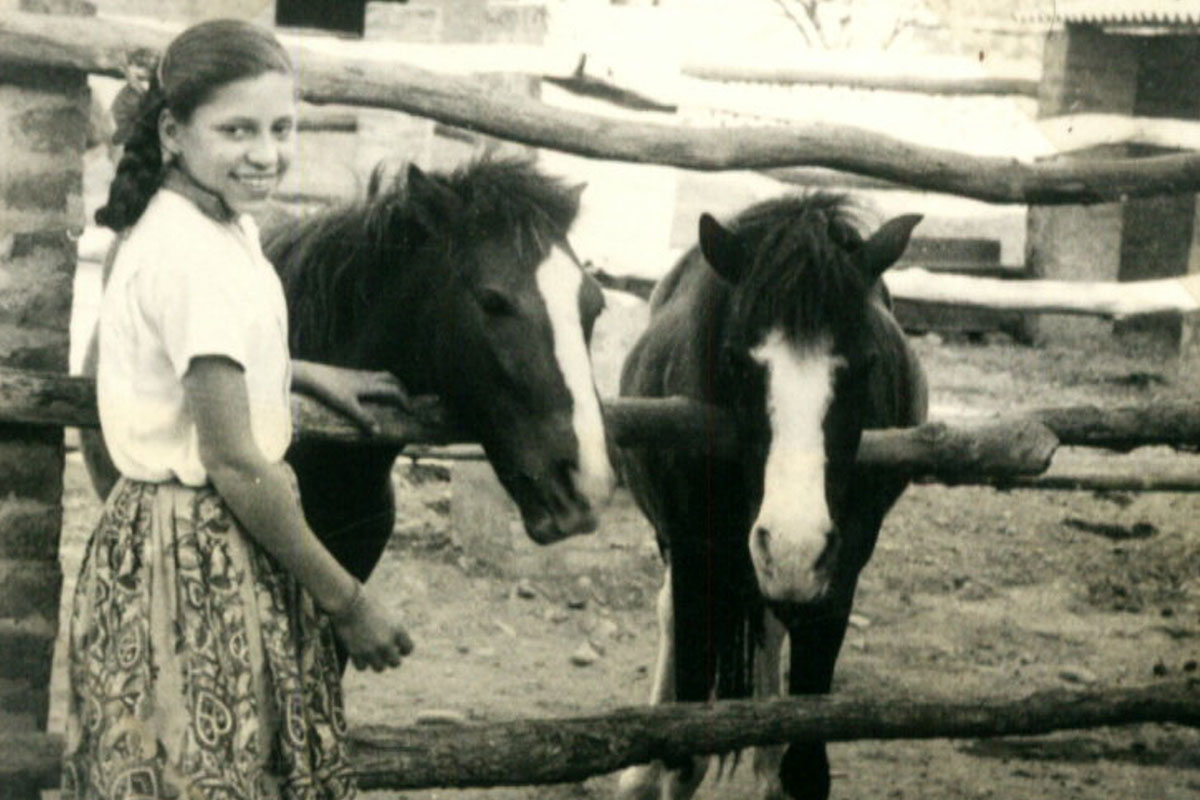
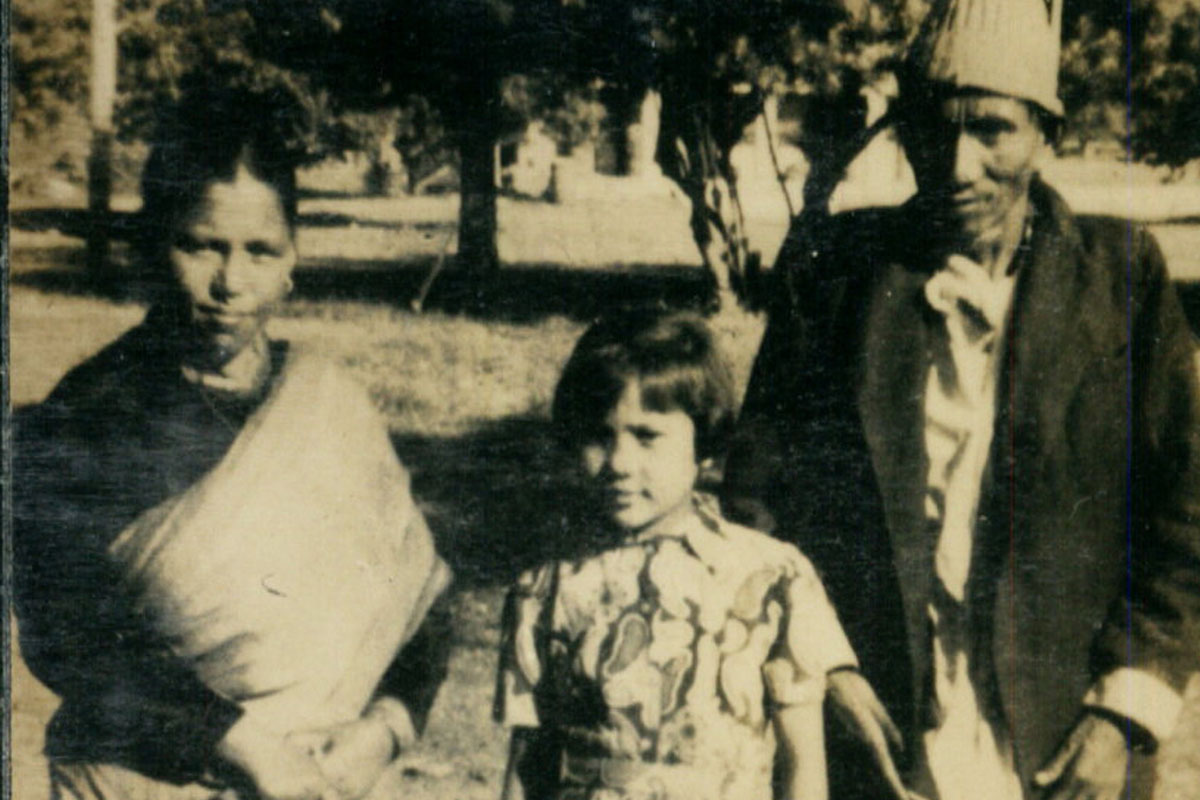
The first years were demanding. The land had to be cleared, crops planted, buildings constructed, and systems built almost from nothing. The area was home to dense vegetation, disease, wild animals, and the daily difficulties of life in a remote rural setting.
The early Mission was closely tied to agriculture. Farming was not simply a way to produce food — it was part of the original vision for training, self-reliance, and community development. Over time, crops, dairy, orchards, fishponds, and practical skills became part of the rhythm of life on the campus.
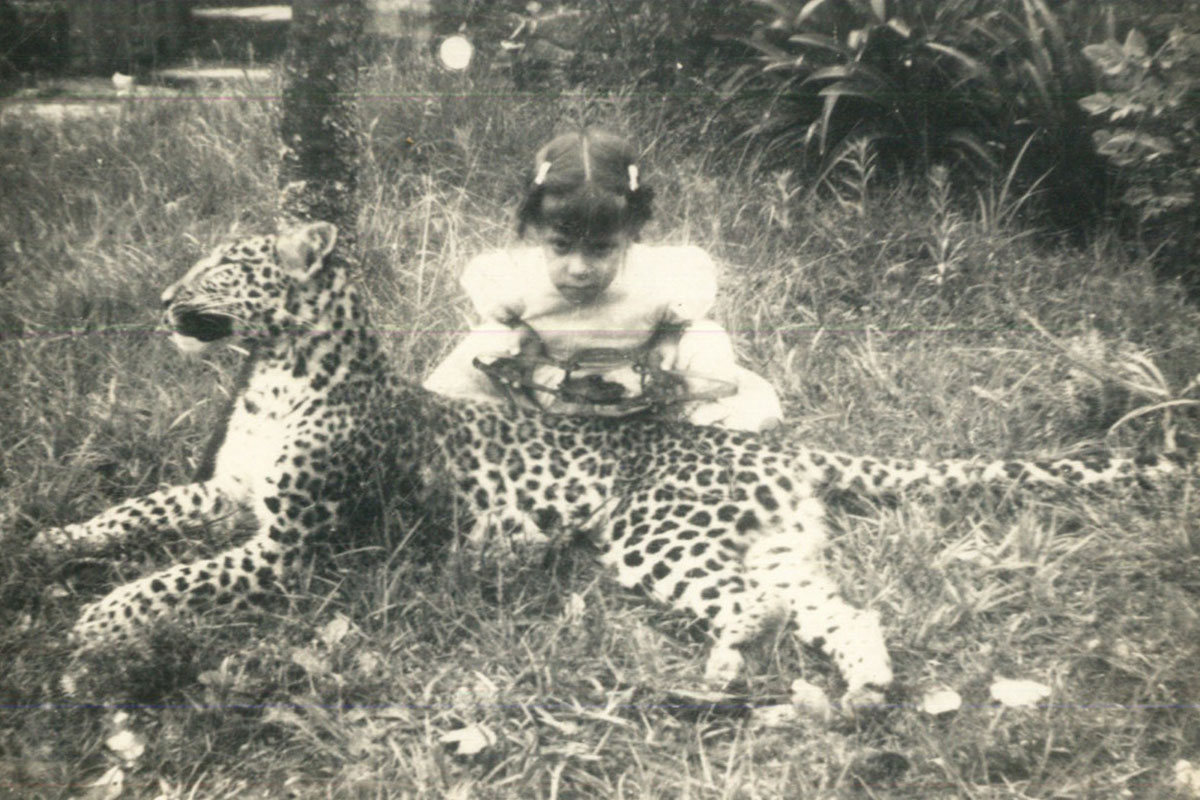
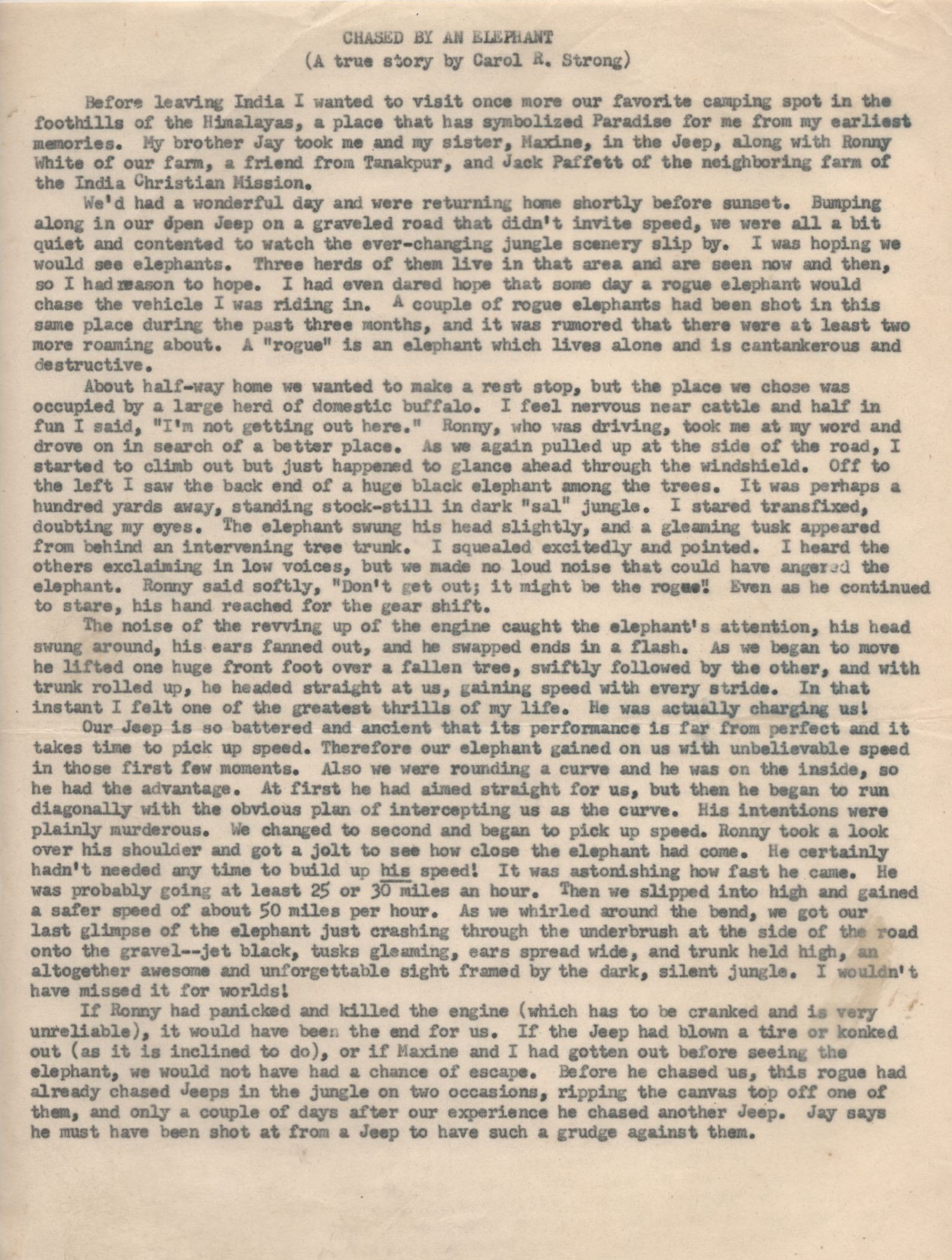
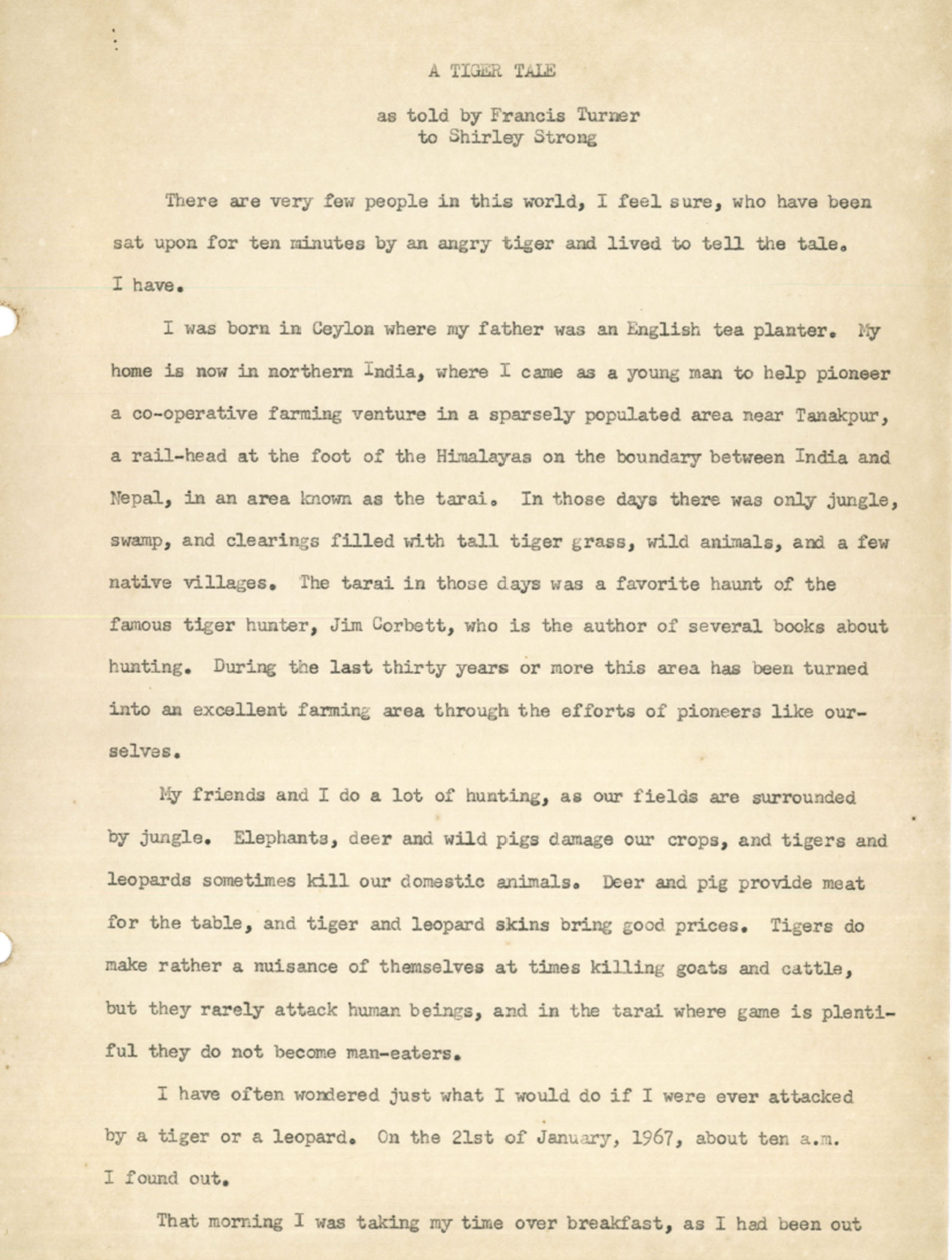
The stories preserved from those days often sound almost impossible now: encounters with elephants, tigers, jungle roads, handmade systems, and a level of isolation that is hard to picture in modern Banbasa. These stories are part of the heritage of GSAM and help explain the courage and endurance that shaped the Mission.

A Place For Children
As the Mission developed, the needs around it changed. Over time, GSAM became widely known for its work with children and, for many decades, operated in a model that was commonly understood as an orphanage.
That history is an important part of our story, but it is not the way GSAM operates today. The organization has continued to adapt as laws, best practices, family structures, education, and community needs have changed.
Today, GSAM is not an orphanage. IndianOrphanage.com reflects our history, but our present work is focused on education, family-connected hostel support, sustainable agriculture, animal rescue, disaster relief, and community development.
Becoming A Campus
While agriculture remains part of GSAM’s identity, education has become one of the strongest expressions of the Mission’s work.
The development of Maxton Strong School marked a major step in serving not only students connected to the Mission, but also families from the wider community. Through the school, the Mission’s impact reaches far beyond the campus, helping children gain confidence, opportunity, and pathways toward further study and employment.
Today, the campus brings together education, hostel support, agriculture, animal rescue, disaster relief, and practical community service – all shaped by the same long-standing desire to help people build stronger futures.
Leadership Through The Years
GSAM’s story has been shaped by generations of leadership connected to the Mission’s founding family and long-term work.
Maxton Strong founded the Mission and led the work through its earliest decades. After his death, leadership passed to his daughter Maxine Shipway, who had grown up deeply connected to the Mission and its children. Following Maxine’s passing, her husband Rick Shipway served as Director and helped guide the organization through a period of restoration and growth.
In 2022, upon Rick’s retirement from the Board, Clifton Shipway was elected Director. Today, the work continues with the same long-term commitment to children, education, practical service, and the wider community.
From The Archives
The early years of the Mission were filled with stories that seem almost unbelievable today. Some of these have been preserved in typed accounts from those who lived through them.
Still Growing
The Mission has changed many times since its earliest days, but the heart of the work remains practical and people-focused. What began with farmland, service, and a willingness to build from almost nothing has grown into a 73-acre campus supporting education, hostel students, agriculture, animal rescue, disaster response, and community development.
The story of GSAM is still being written.