
Life on the Farm
A glimpse into the daily rhythm of life at the GSAM: school, meals, farm work, friendships, and the shared home that holds it all together.
Life at the Good Shepherd Agricultural Mission is full, busy, noisy, practical, and deeply connected to the land around us. Every day looks a little different, but there is a rhythm here that has been shaped over many years – children heading to school, meals being prepared, fields being worked, chores being done, games being played, and a whole community working together to keep this place running.
This page is a small glimpse into the day-to-day life of the GSAM. It is not always polished or perfect, but it is real. It is home.
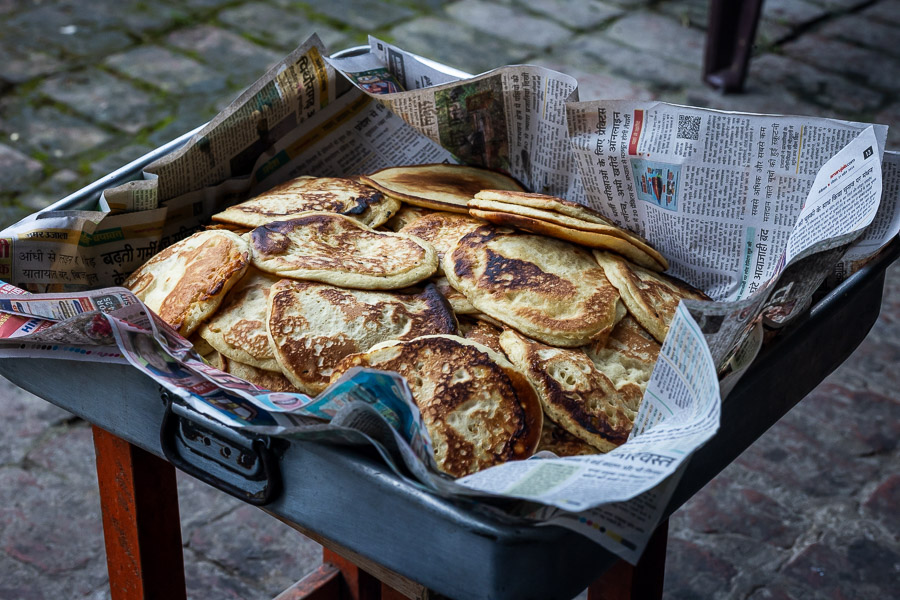
Mornings at Home
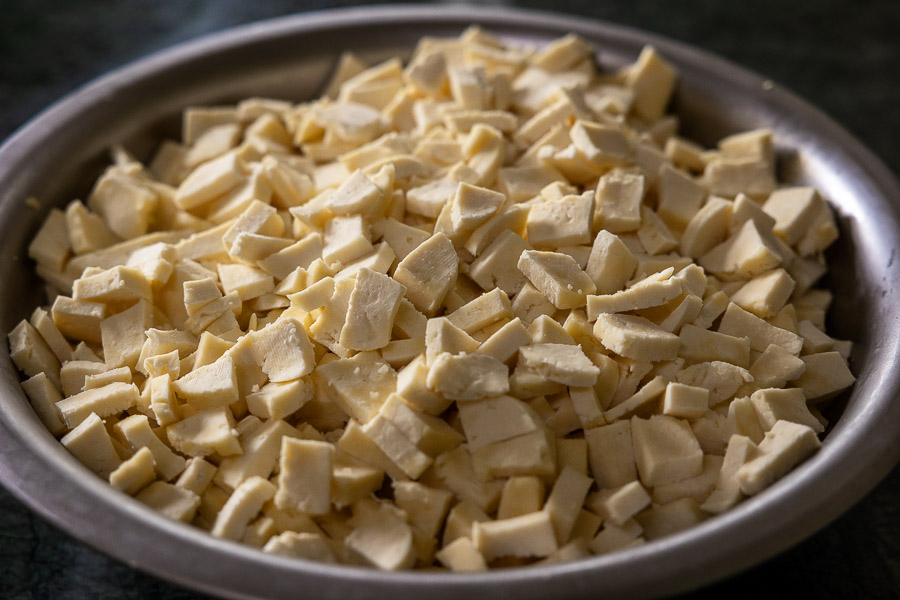
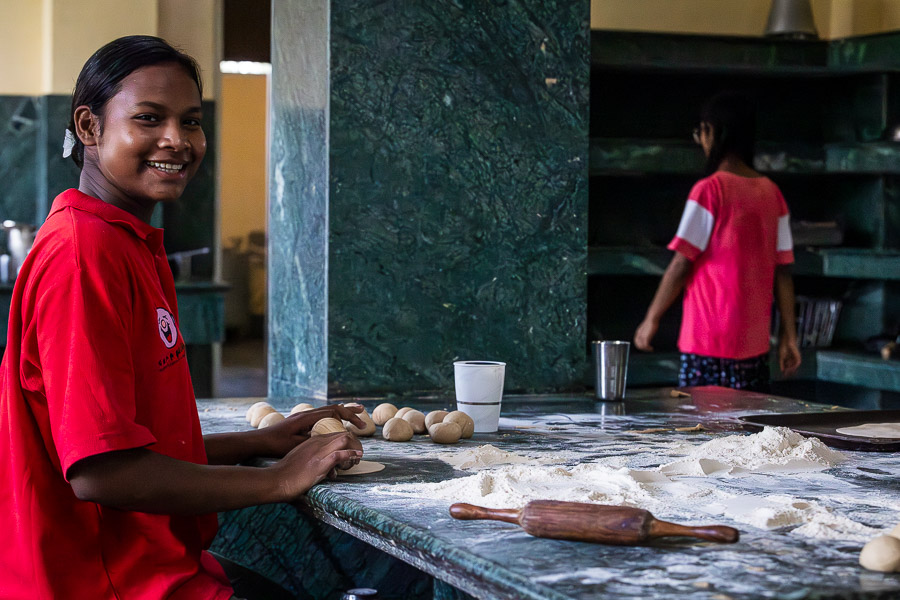
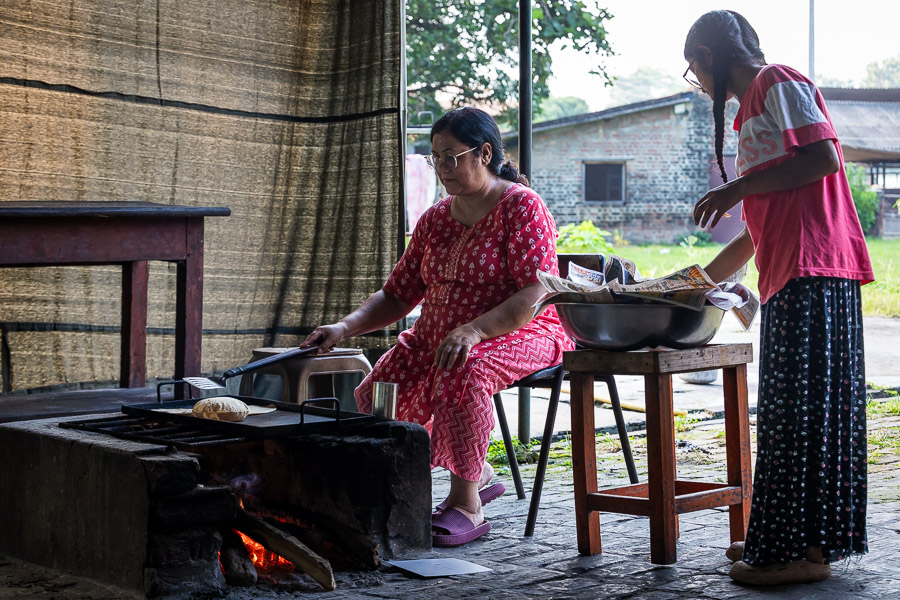
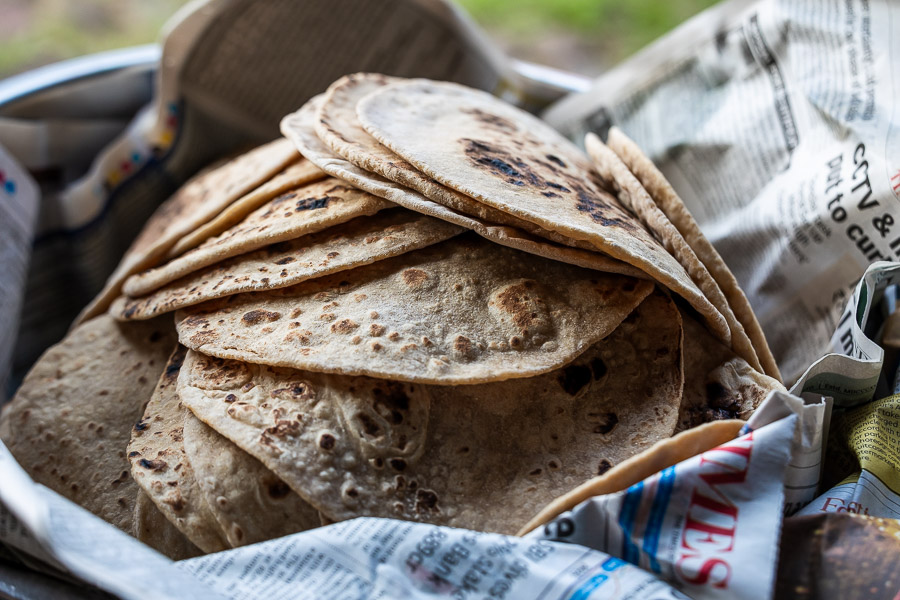
The day begins early. Breakfast is usually simple, warm, and made with the kind of food that has been part of life here for generations. There is always fresh home-made bread & porridge from wheat grown in our own fields, cream from our dairy, and hot chai to start the morning. Sometimes eggs or other treats too.
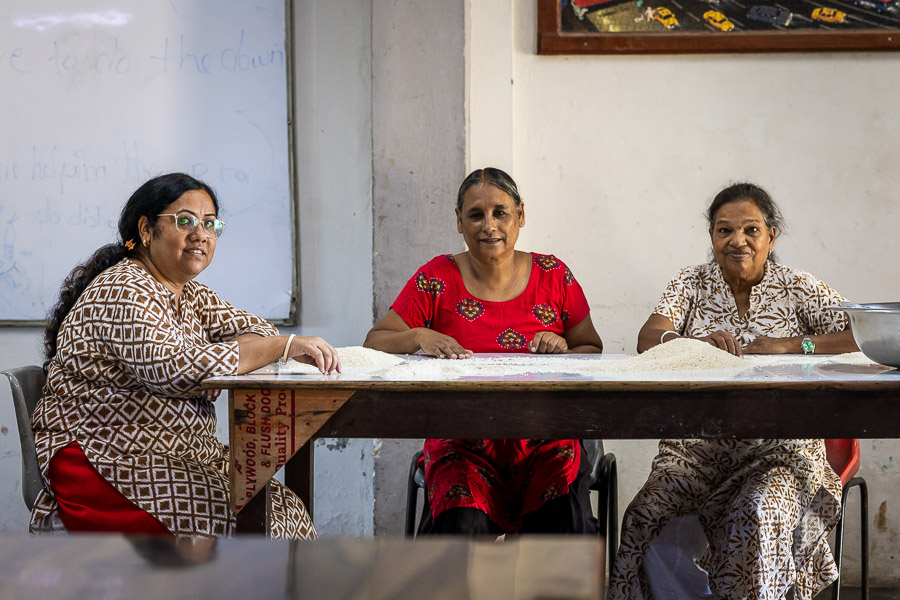
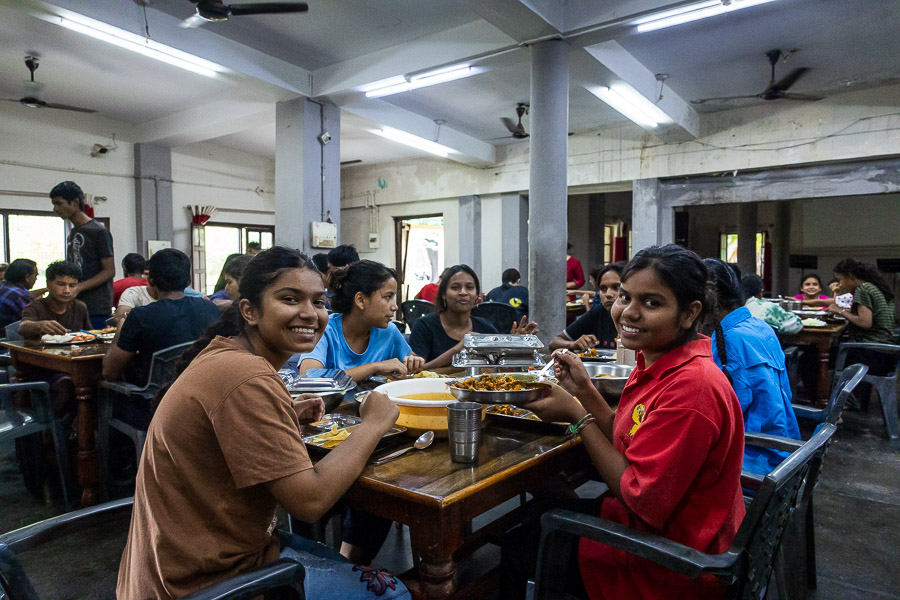
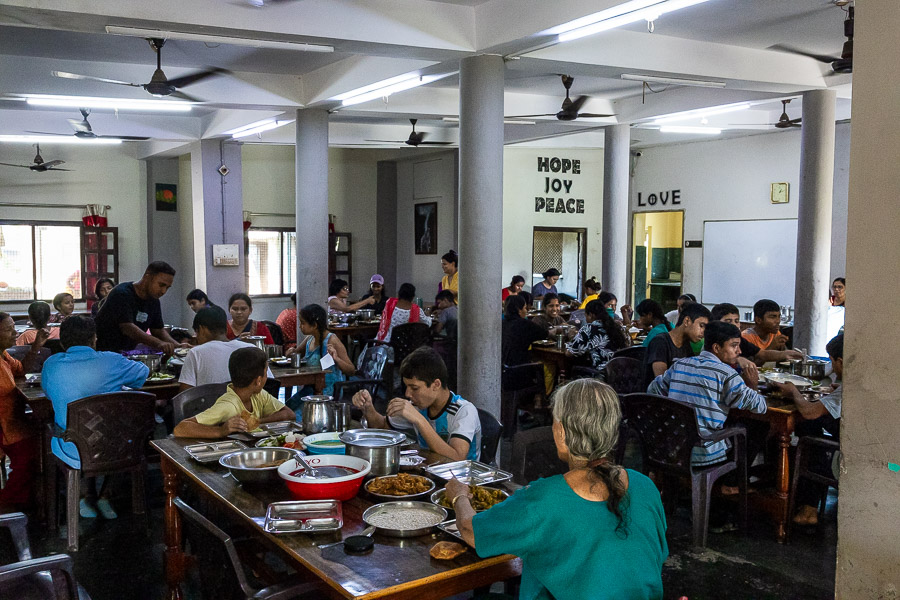
Our meals are closely connected to the farm itself. Much of what is served in the dining room comes from our own land, especially rice and wheat, which are used for bread, chapatti, and the meals that feed our children, staff, and volunteers.
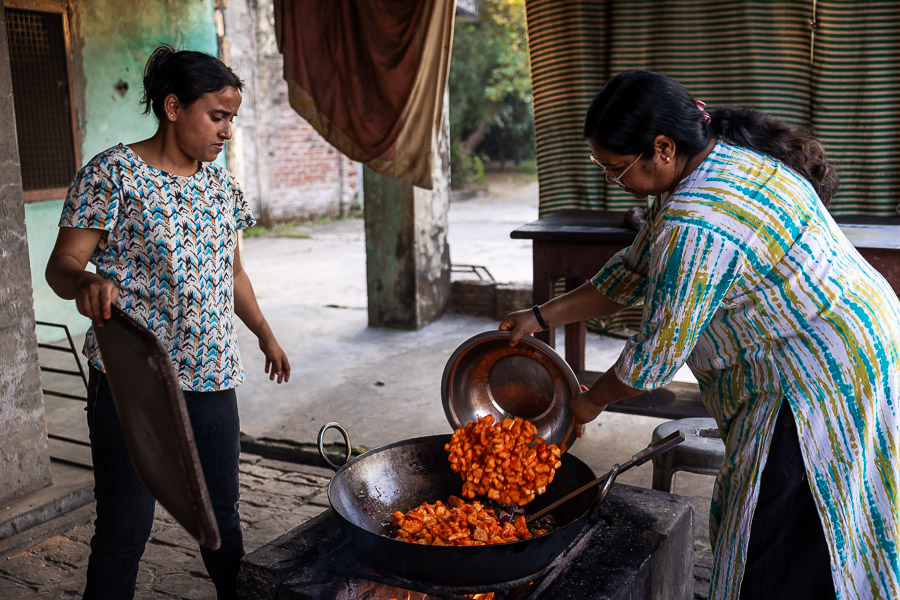
The kitchen is always a busy place. Alongside our staff, the older girls often help with cooking and preparation, learning practical skills while also helping care for the wider family around them. Like so many parts of life here, mealtimes are not just about food – they are about sharing responsibility, serving one another, and keeping the home running.
School Days
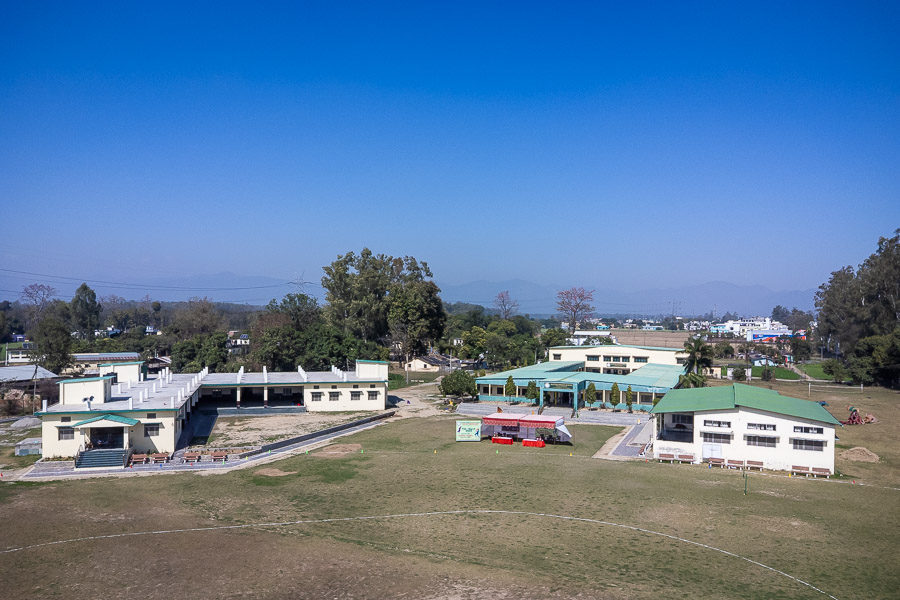
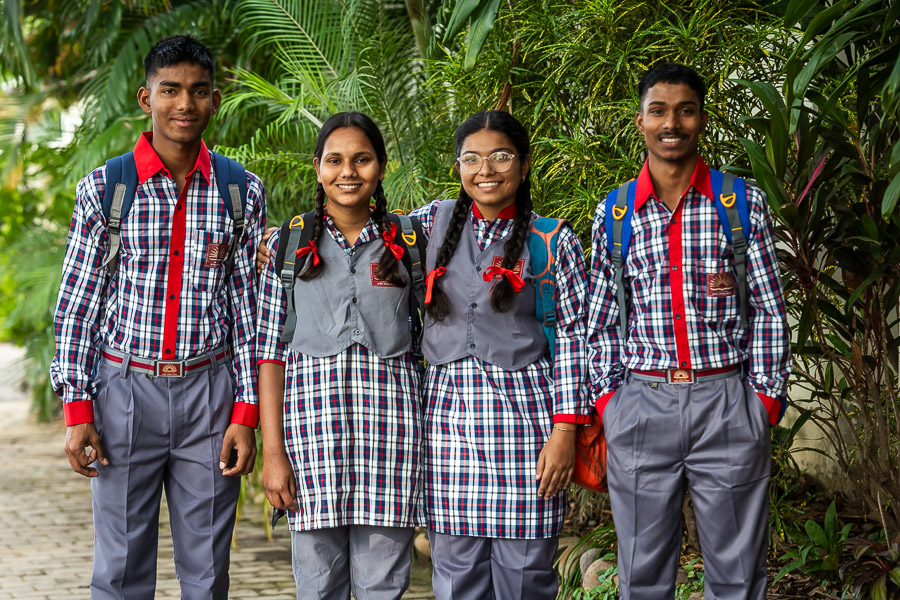
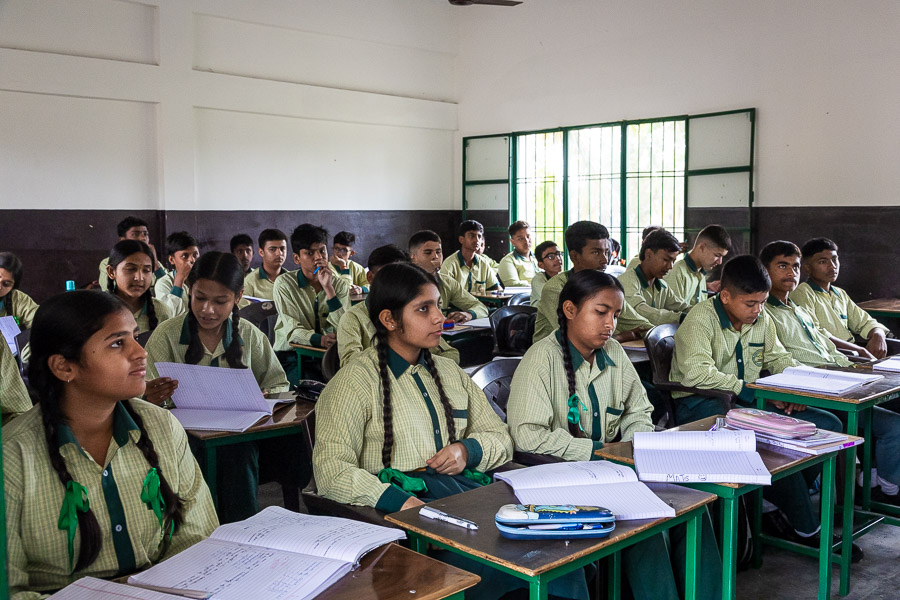
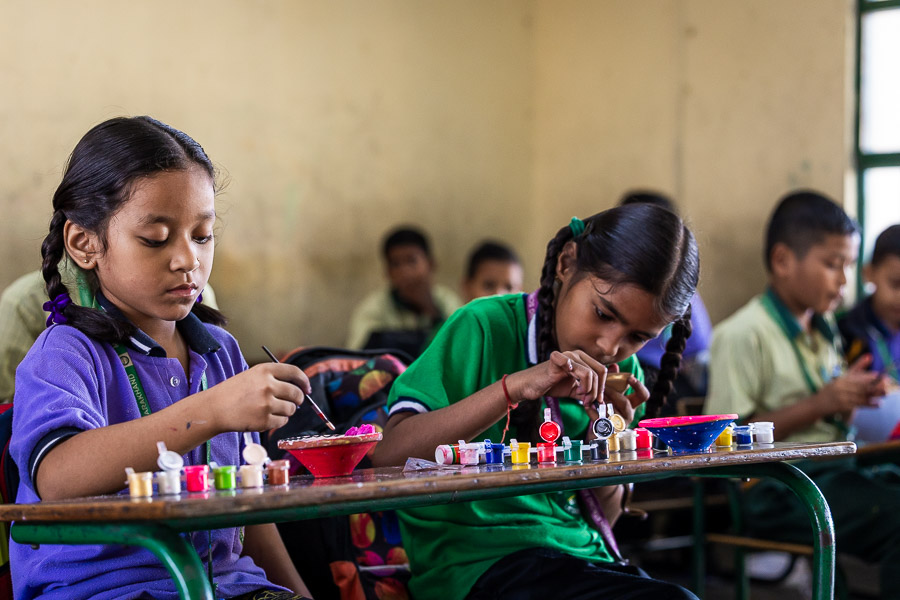
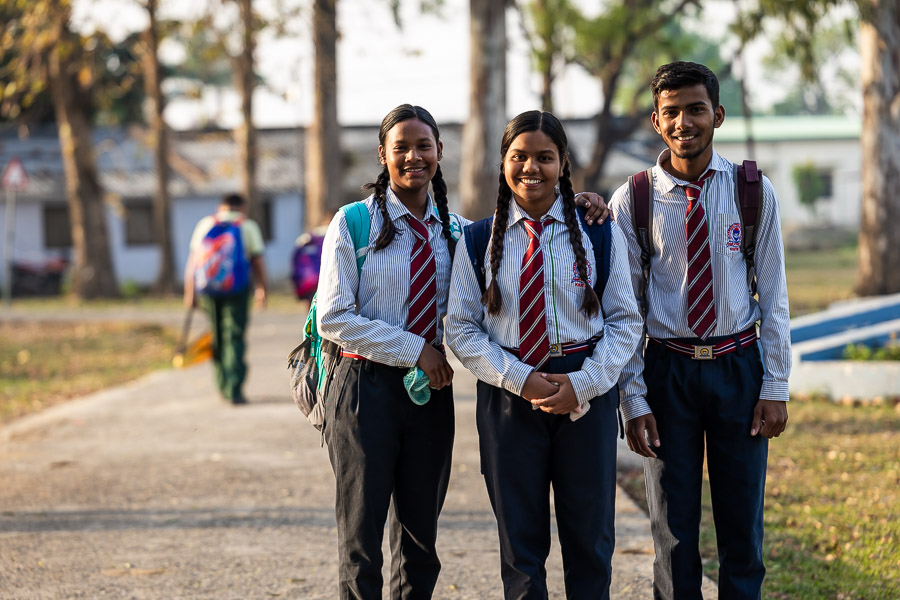
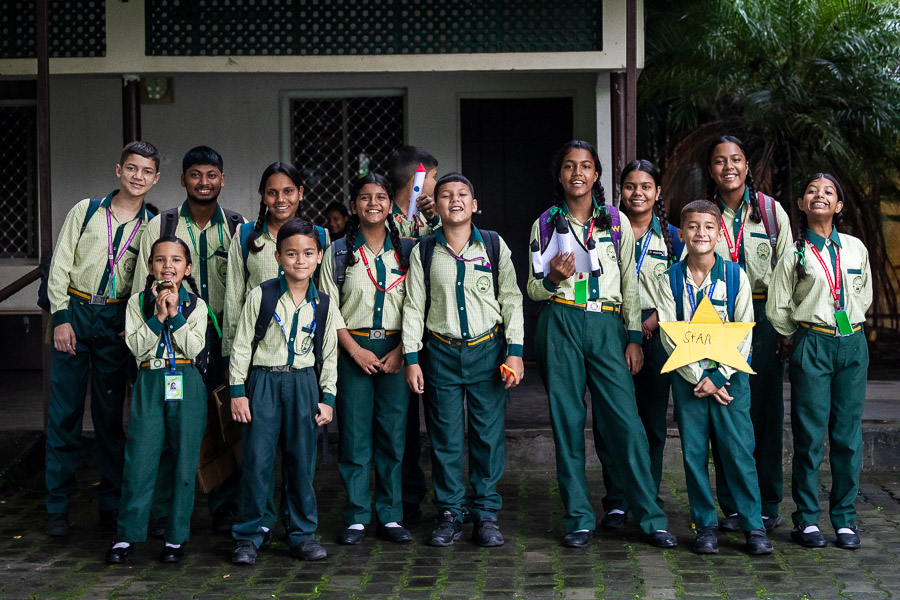
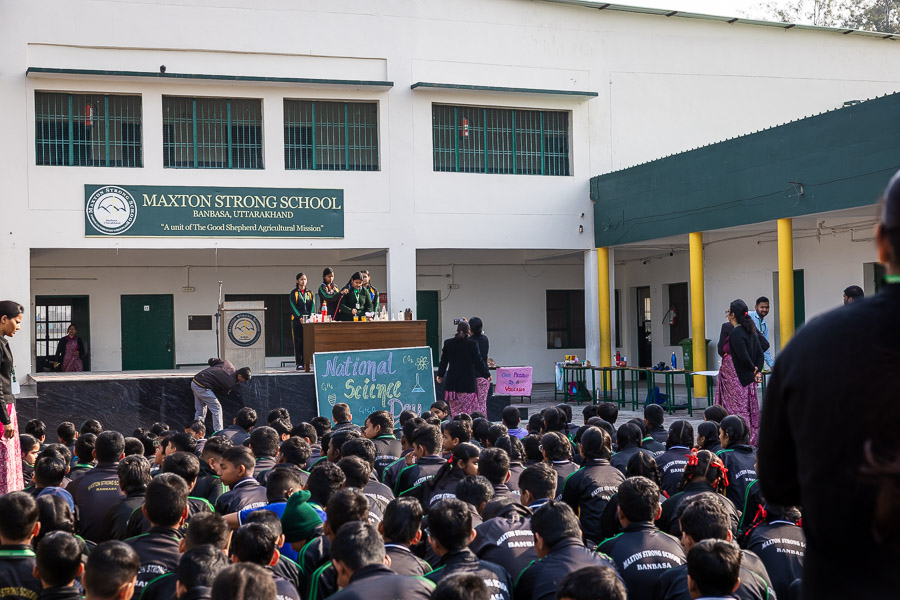
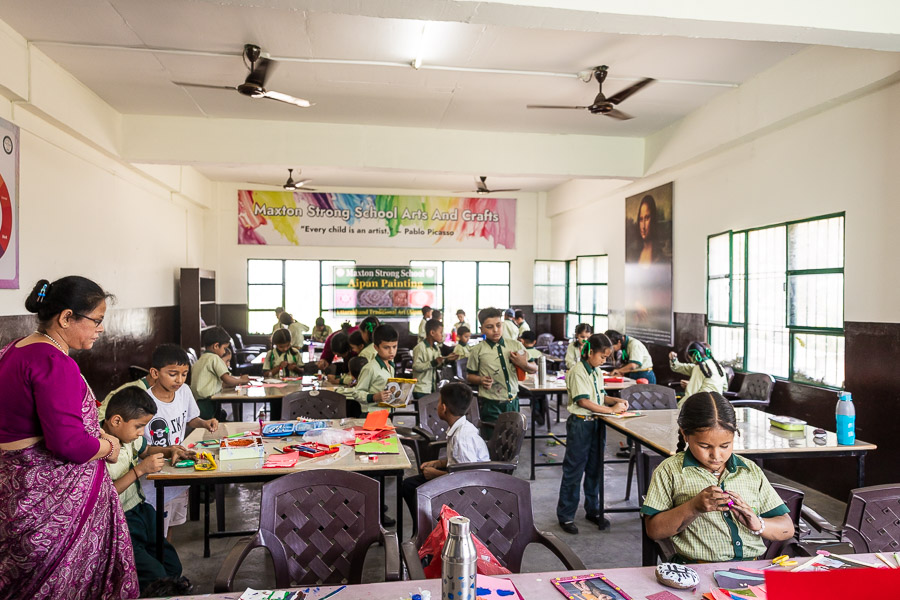
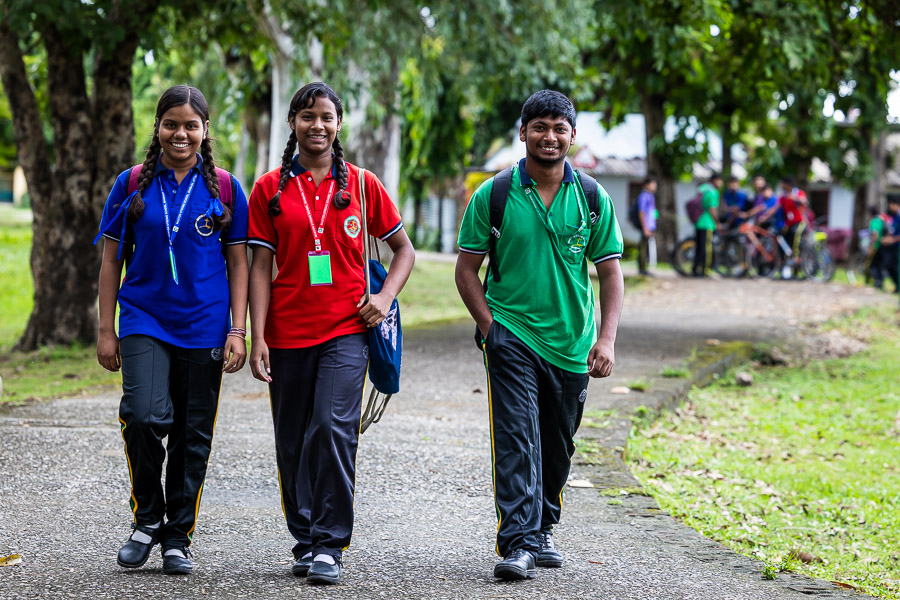
For most of our children, school is right here on campus at Maxton Strong School. Each morning, uniforms are put on, bags are packed, and the children head off to class without ever needing to leave the farm.
After Year 10, students continue their studies at outside schools, colleges, or training programs, depending on their age, interests, and future plans. Education is one of the most important parts of life here, and each child is encouraged to keep moving forward at their own pace.
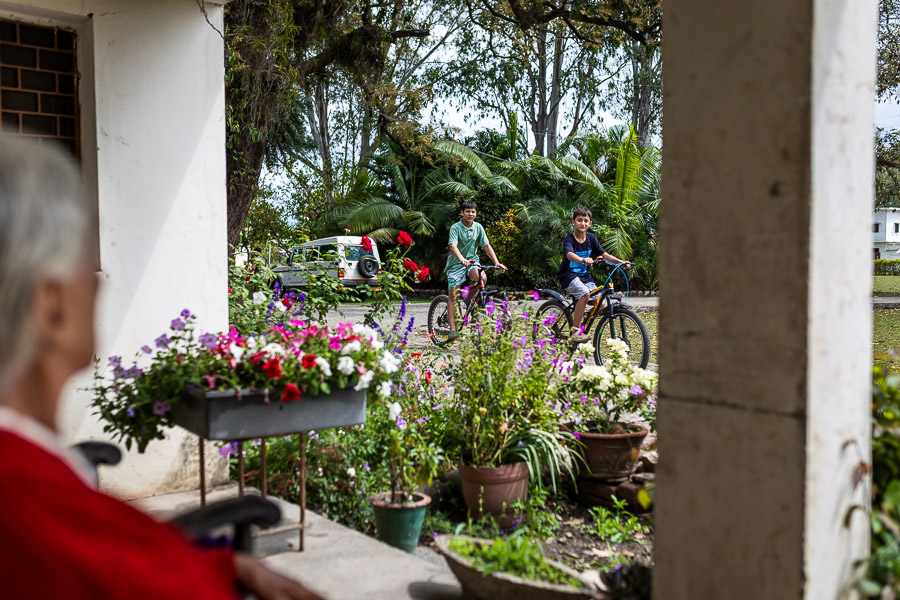
While the students are in class, the rest of the campus keeps moving. There are meals to prepare, animals to care for, repairs to make, rooms to clean, fields to work, and countless small jobs that must be done every day.
This place is supported by salaried staff, but it is also carried by full-time volunteers – people who have made this place their home and give their time, energy, and skills to keep it what it is. Everyone has a part to play.
Work Days
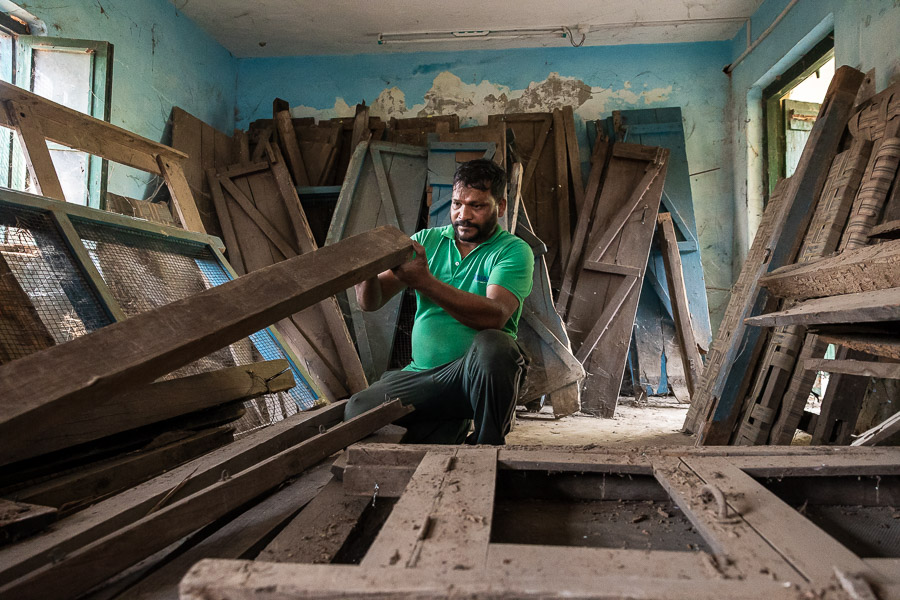
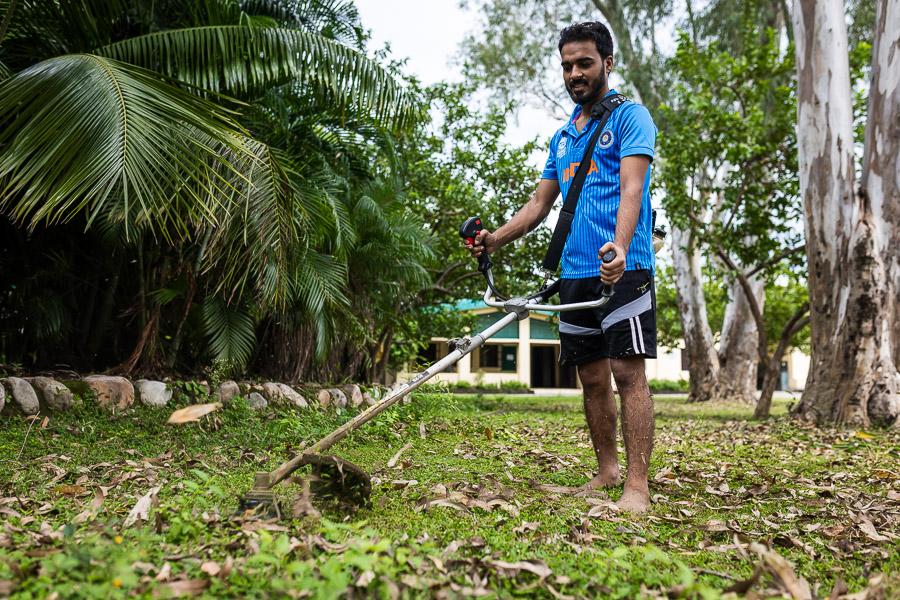
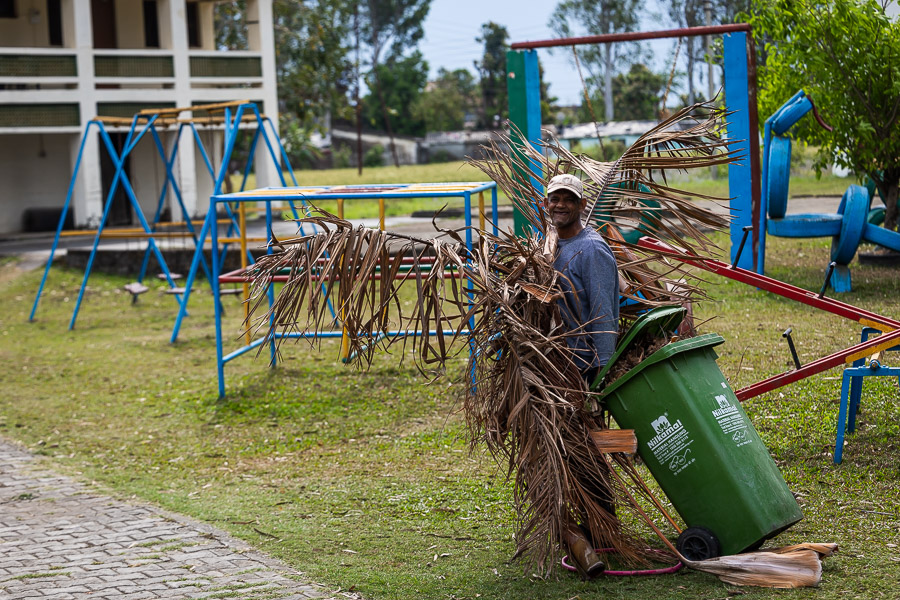
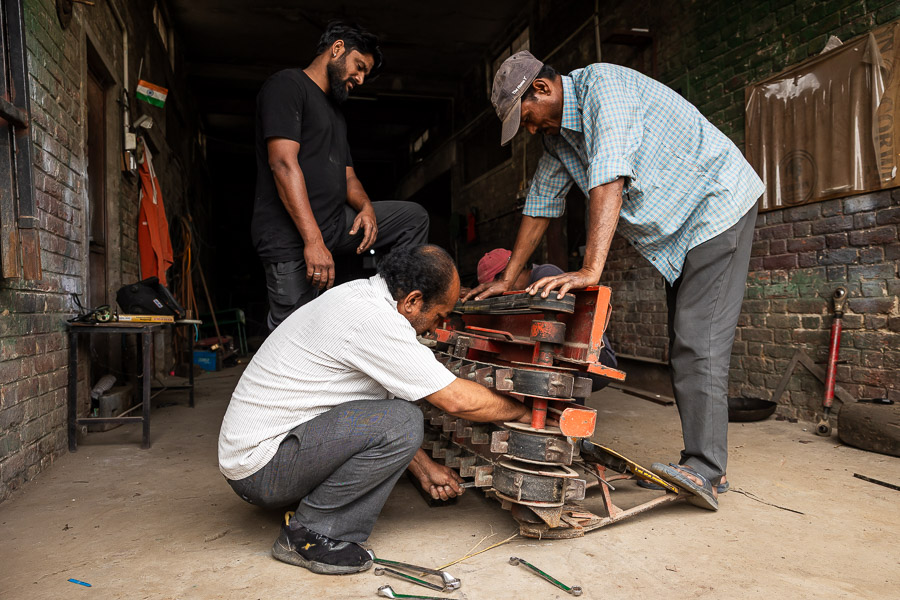
We are not only a children’s home and school campus. It is also a working farm, a workshop, a repair yard, a dairy, a kitchen, a hostel, and a small village of people all living and working together.
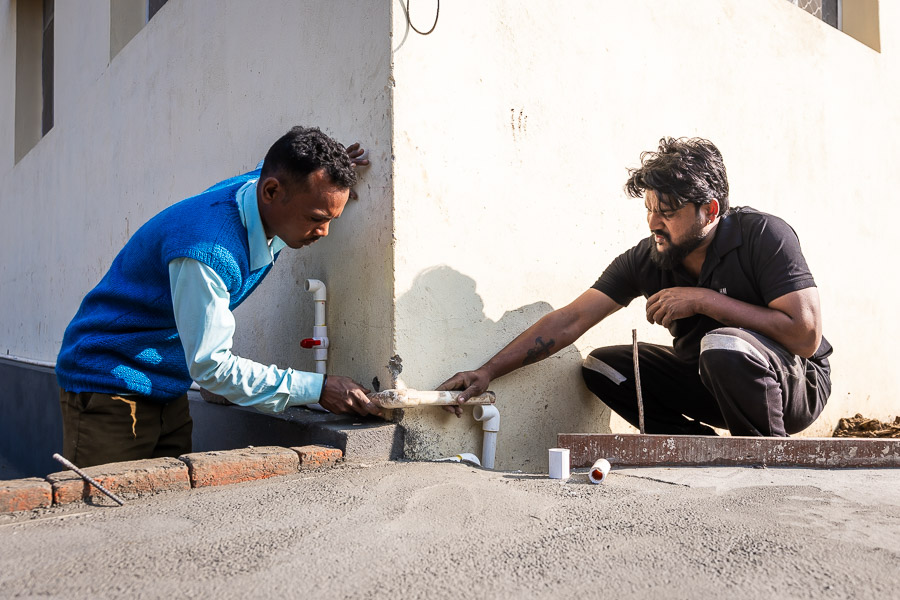
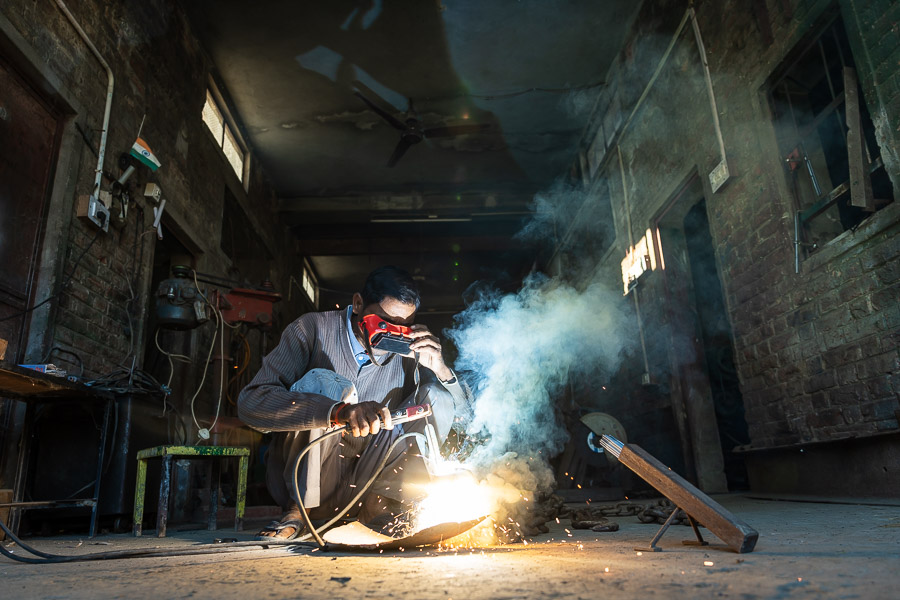
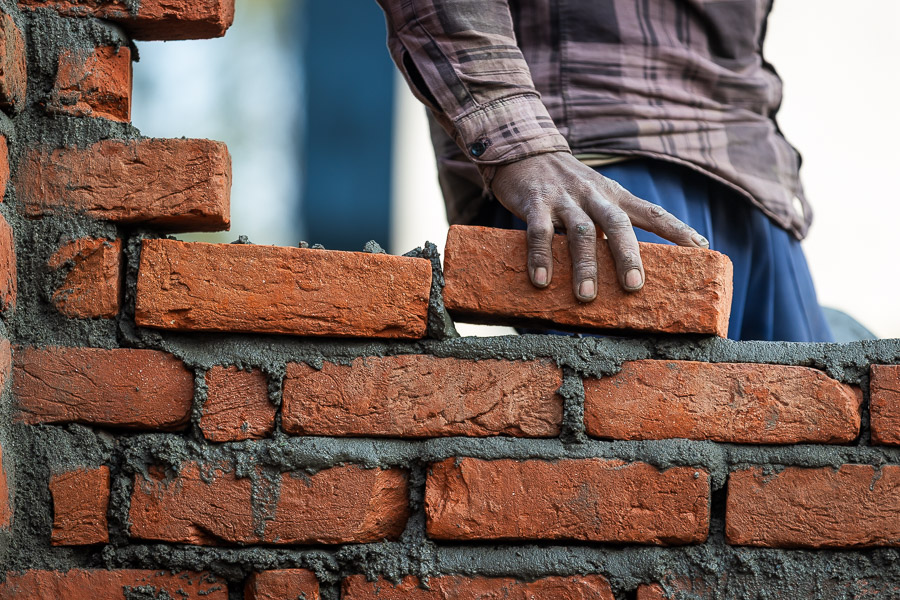
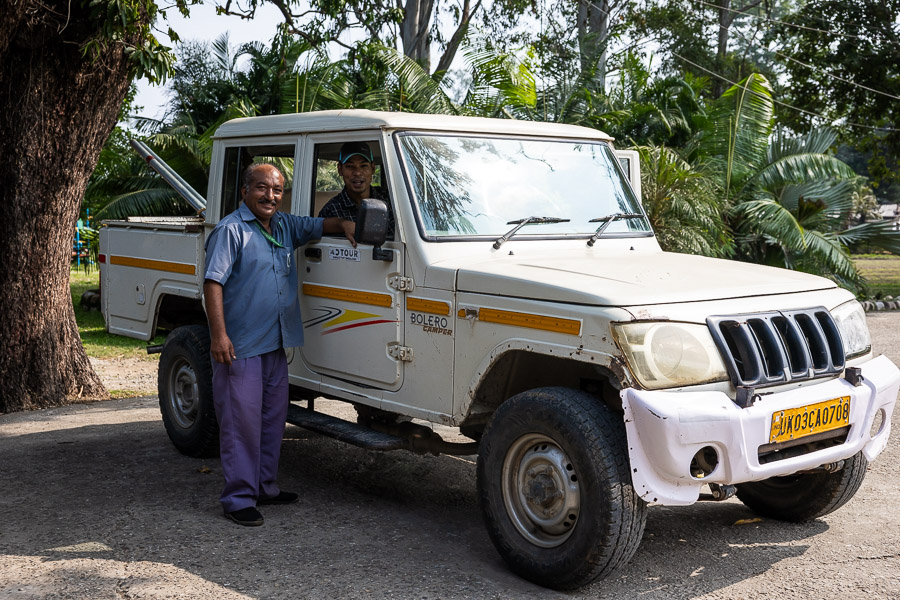
Some days are spent in the fields. Other days are spent in the workshop, repairing machinery, maintaining vehicles, fixing plumbing, doing carpentry, or keeping buildings in good condition. There is always something that needs attention.
Our staff and labour force carry much of this work, but seasonally our senior boys also help out, especially during busy periods on the farm. They learn by joining in — planting, harvesting, carrying, repairing, cleaning, and doing the kind of practical work that keeps a place like this alive.
It is not glamorous work, but it matters. The GSAM has always believed in dignity, responsibility, and the value of learning how to work with your hands.
Hostel Life
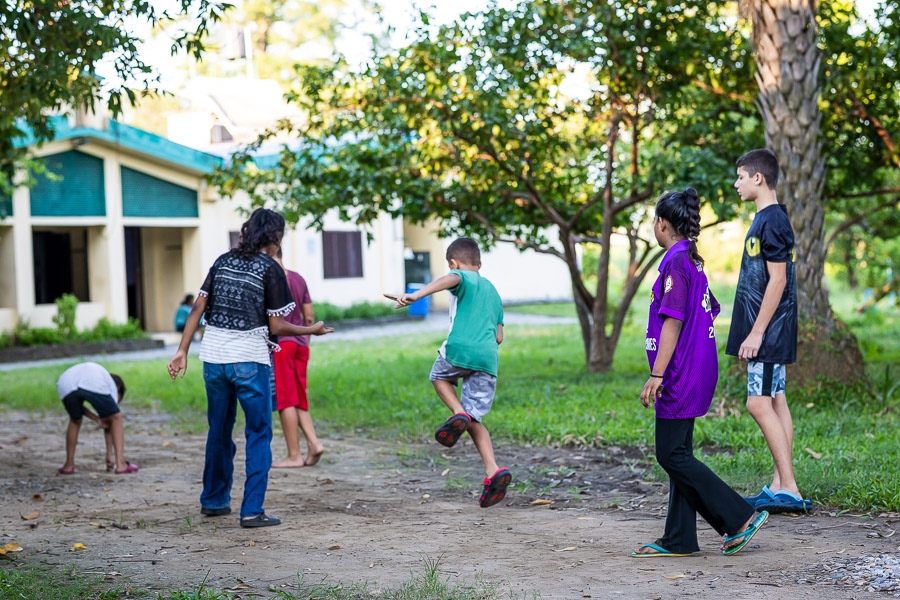
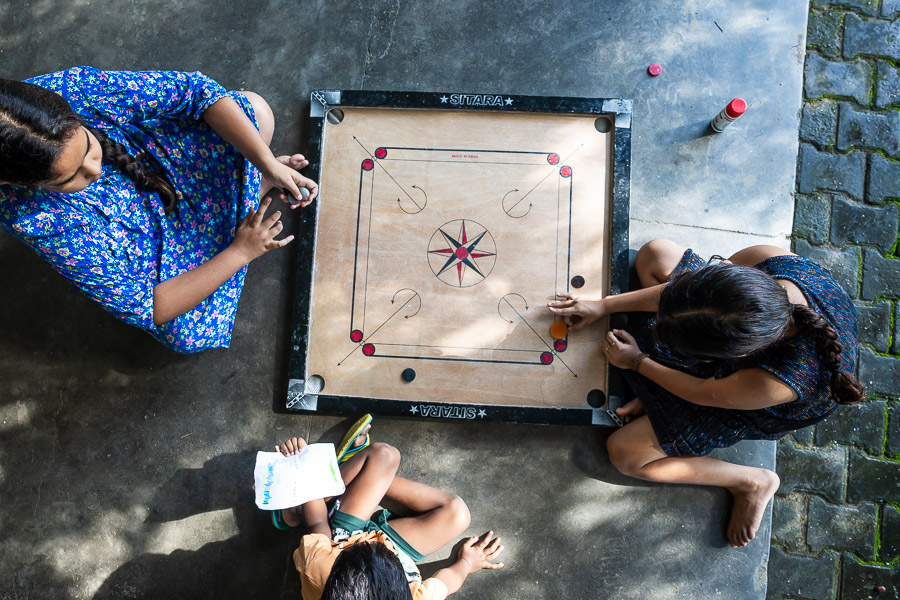
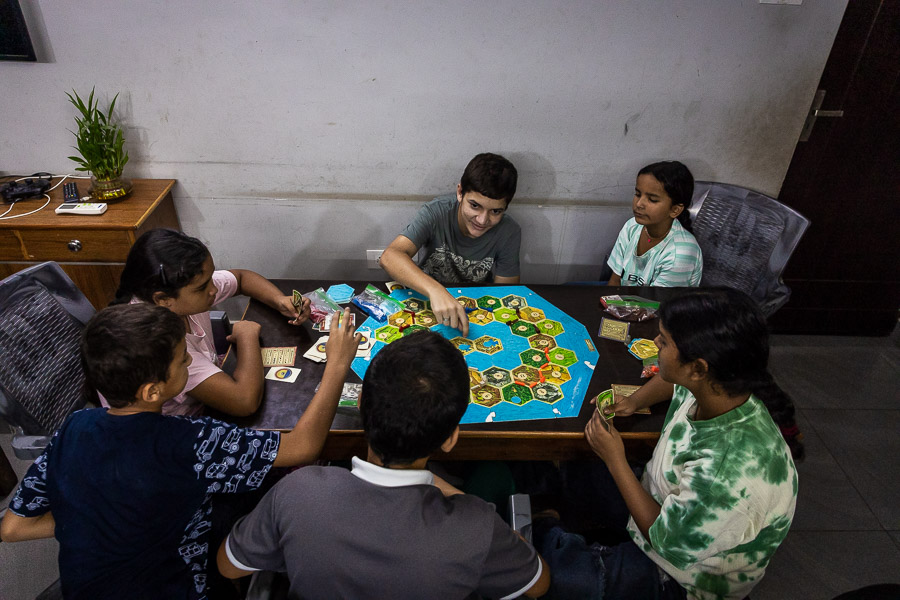
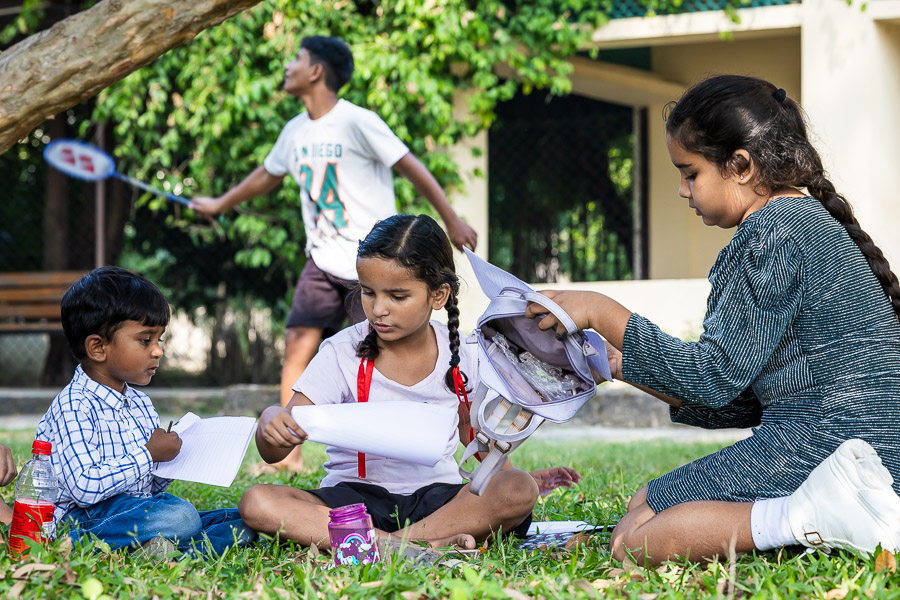
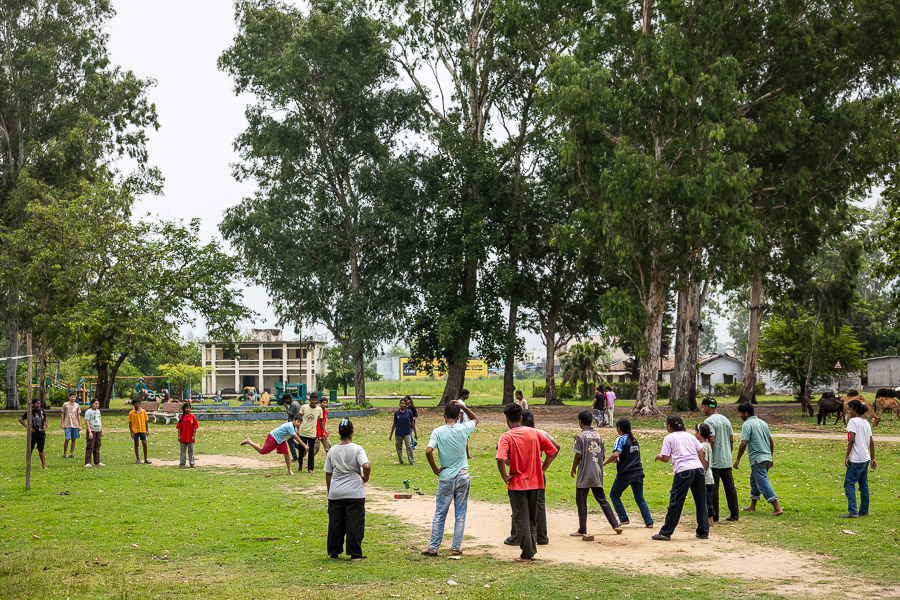
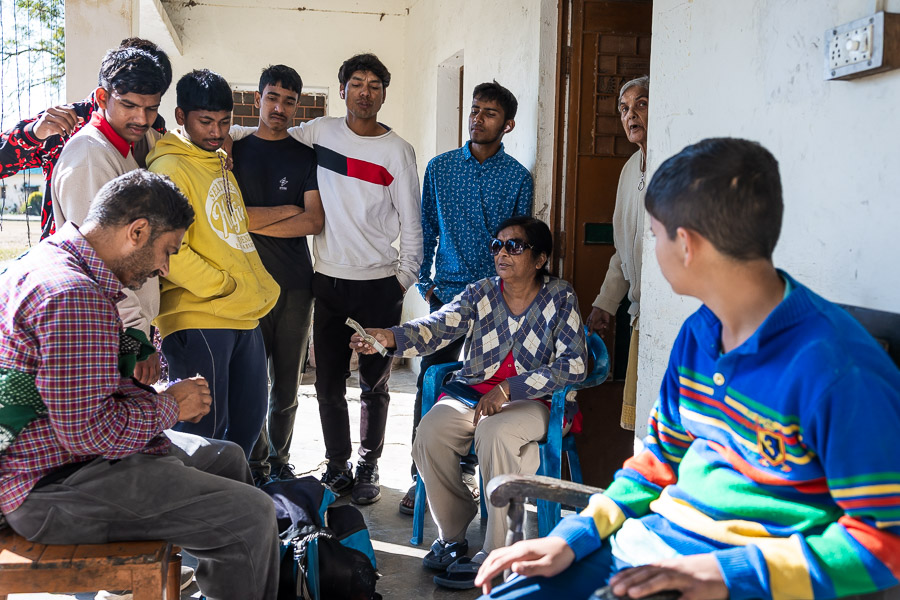
Outside of school hours, life in the hostels is full of activity. There is always loads of free time, noise, laughter, cricket, board games, conversations, music, and the normal chaos of children growing up together.
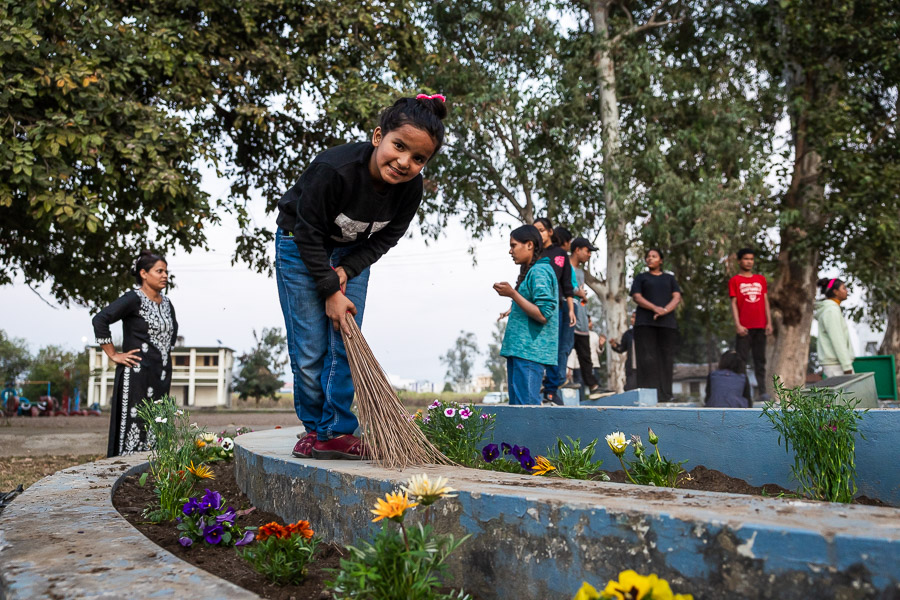
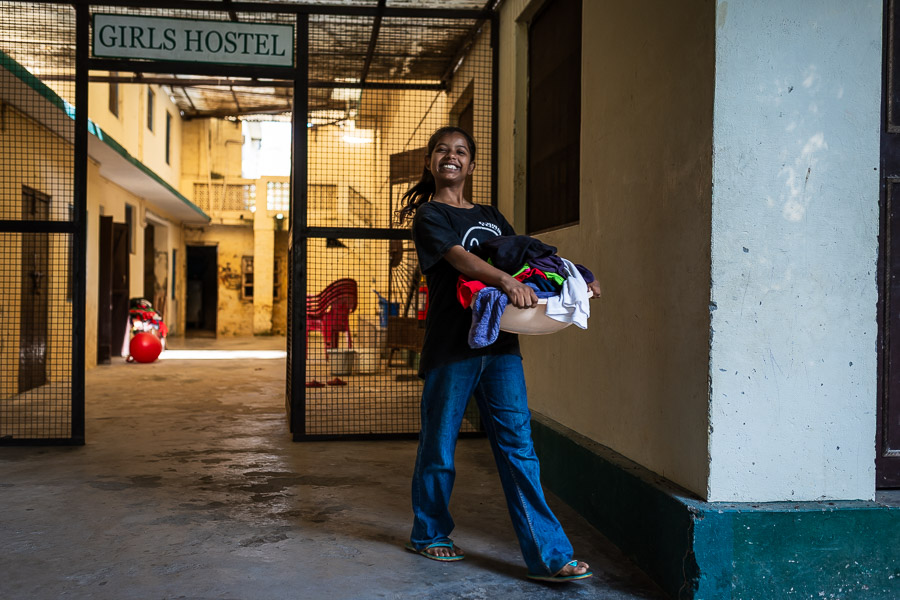
There are also daily chores. Everyone helps in some way – sweeping their rooms, doing laundry, setting tables in the dining room, washing dishes, helping younger children, and keeping the hostels clean and organised. These jobs are part of learning responsibility and being part of a shared home.
The boys have a gym where many of them work out in the mornings and evenings. Some of the older children also enjoy cooking small meals or snacks in their own hostels when they have the chance. Sometimes theres a batch of mulberry pie that needs eating – perhaps the toughest job of all.
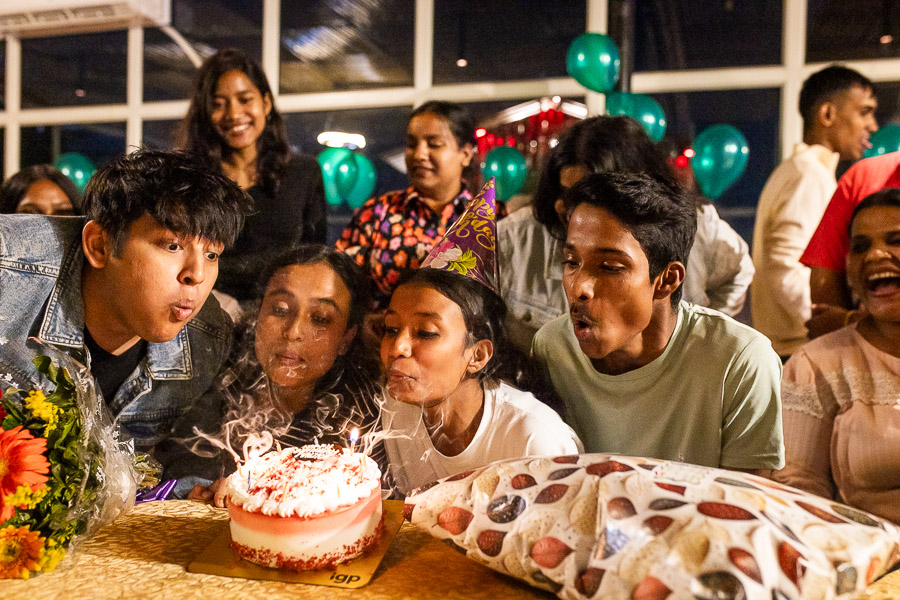
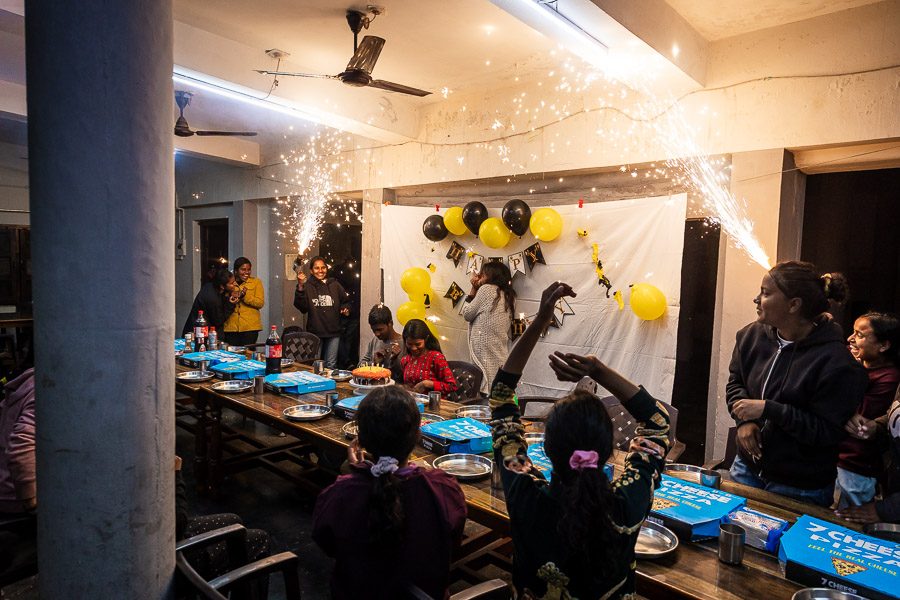
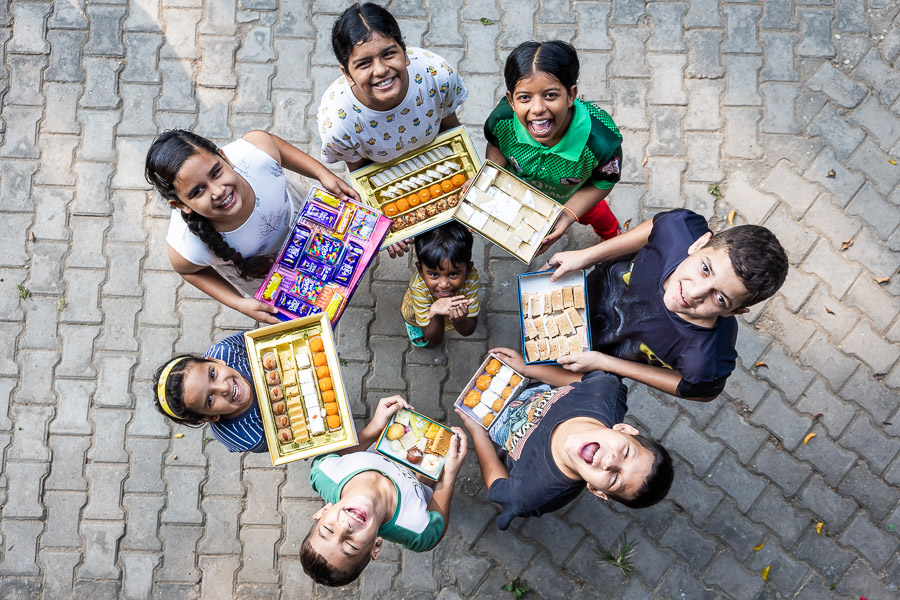
Birthdays are always special. With so many children and young people here, there is almost always another birthday coming up, and we try to make each one feel personal and celebrated. That means cake, perhaps a special meal or snacks, movie nights, dress-up parties, or maybe just order in some pizza and watch the world cup! No matter how a birthday is celebrated, we make sure that the child knows they are seen and loved.
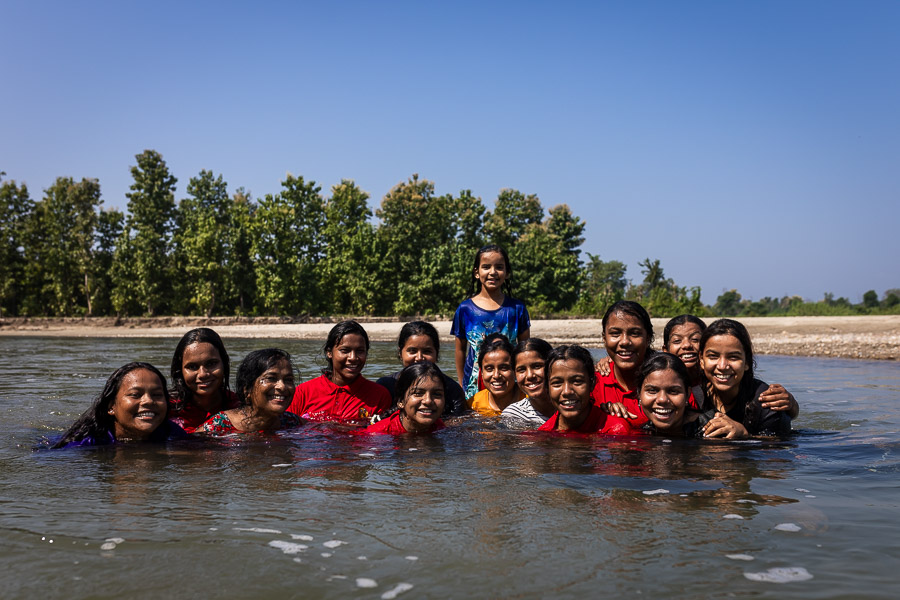
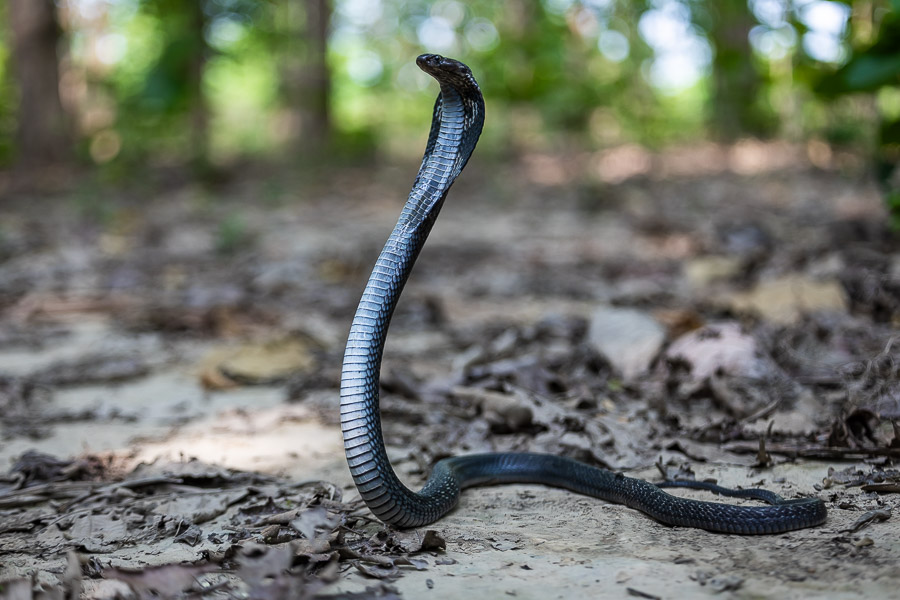
And every now and again, when the weather is right and the timing works, we take walks into the jungle – a chance to stretch legs, explore, talk, and enjoy the world just beyond our gates. It’s not dangerous but it sure is a lot of fun!
Community
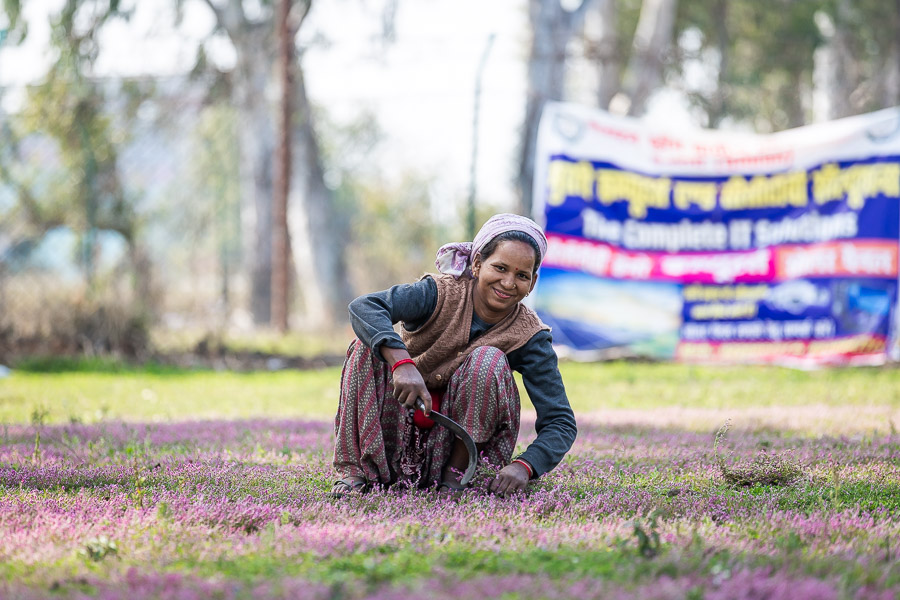
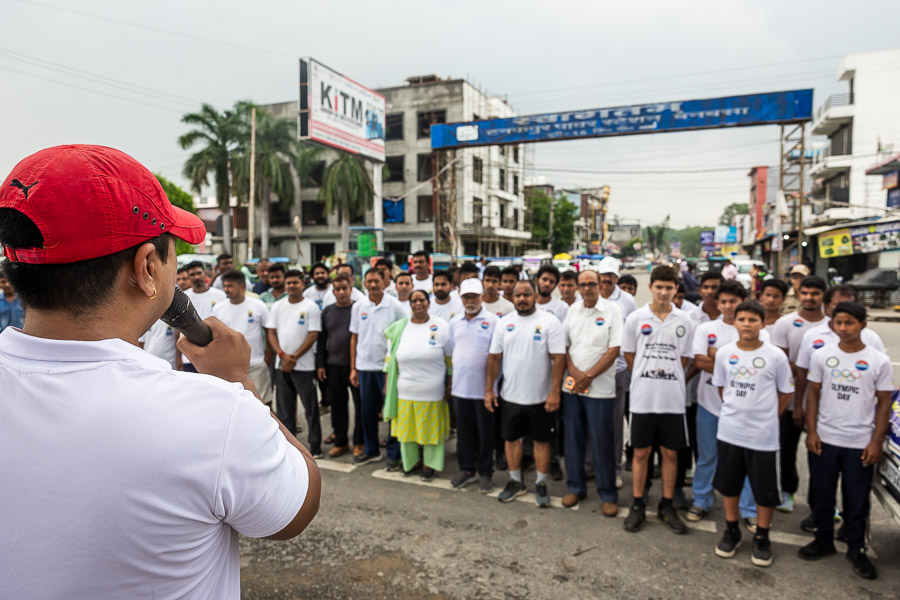
The GSAM has always been deeply connected to the community around us. We are not separate from the villages, families, schools, farms, and neighbourhoods nearby. We are part of them.
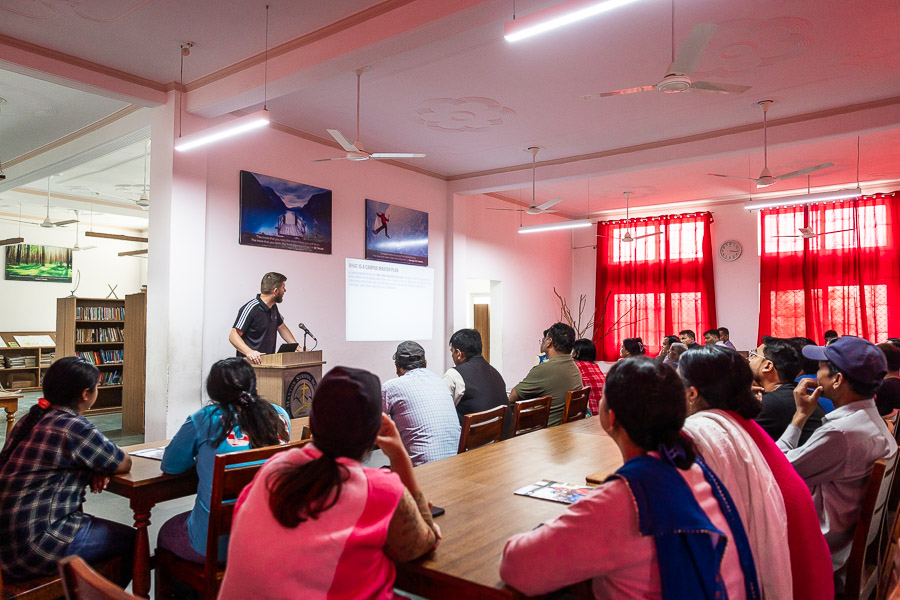
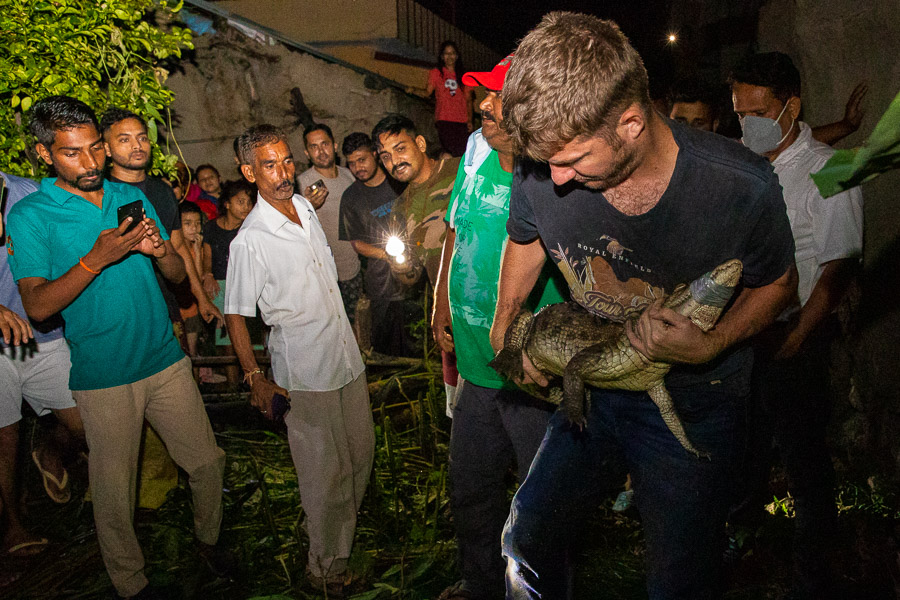
Sometimes a call comes in asking for help with something practical. At times that might mean running an internet safety workshop for children or parents. At other times, it might mean something much less expected – like helping rescue a crocodile that has found its way into someone’s backyard!
Life here is never boring.
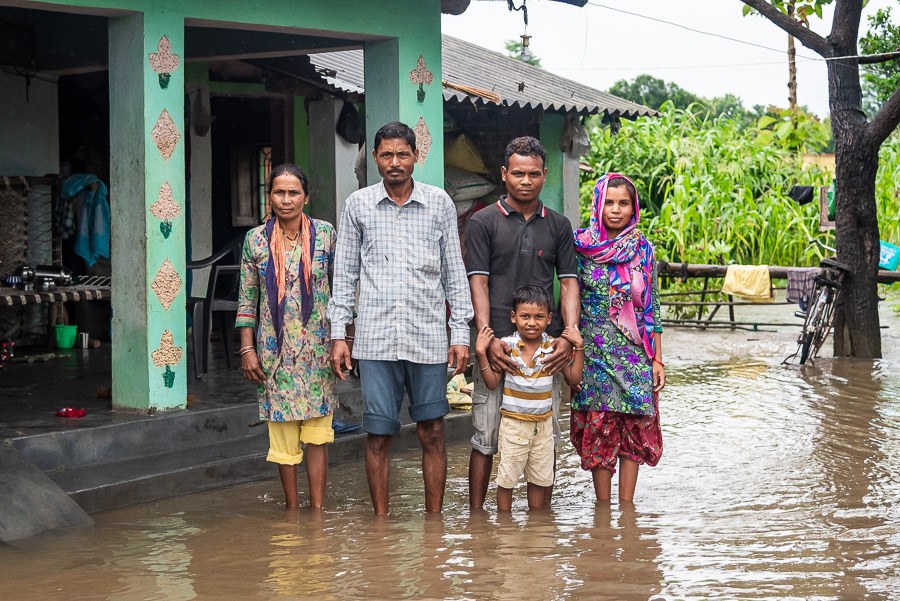
Whether it is disaster relief, animal rescue, education, community awareness, or simply showing up when someone nearby needs a hand, the GSAM tries to stay available and connected. We believe that caring for children also means caring about the world they are growing up in.
Homework, Tuition, and Evening Routine
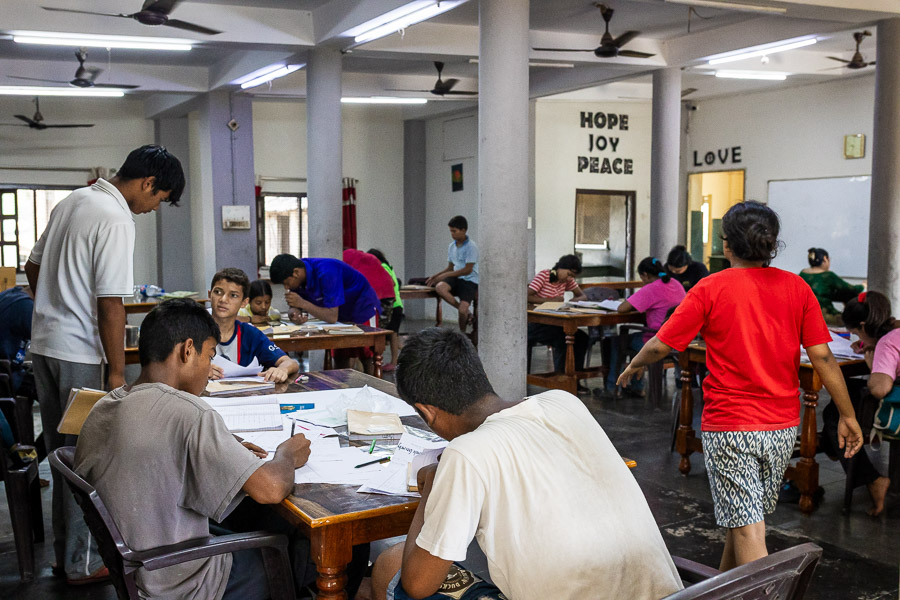
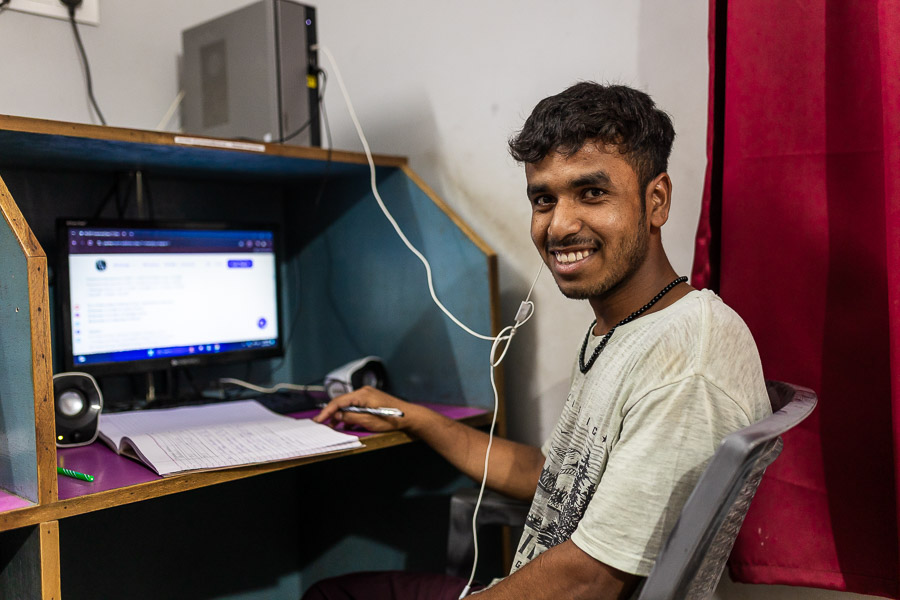
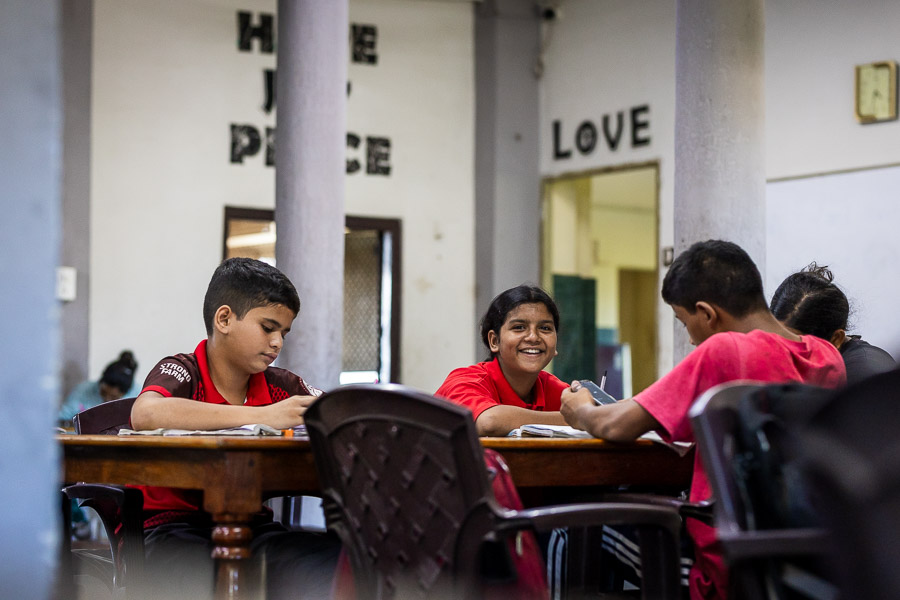
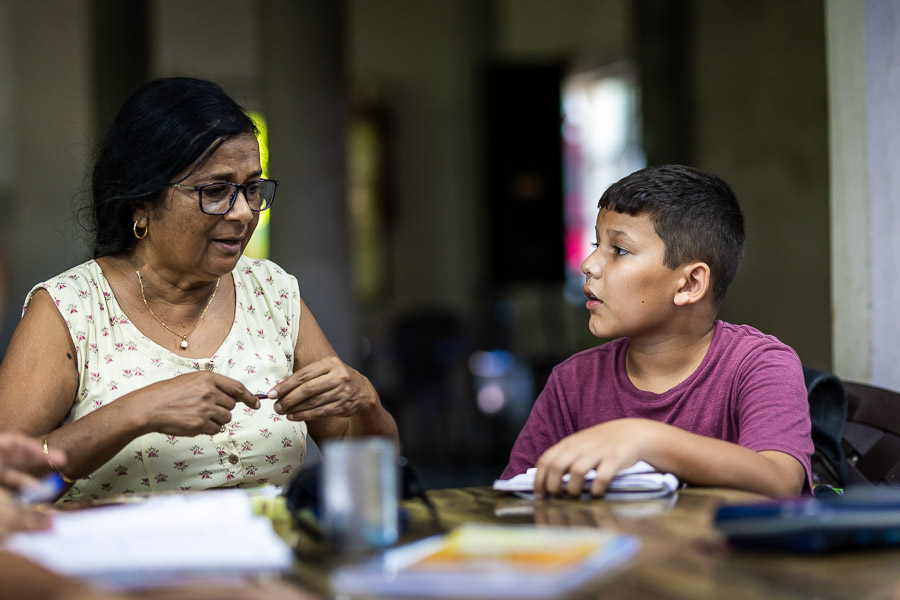
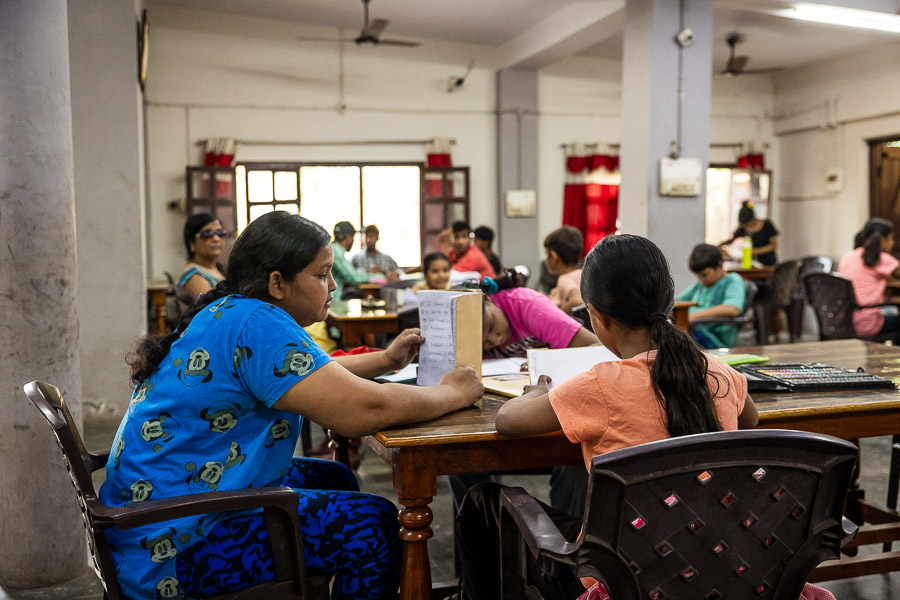
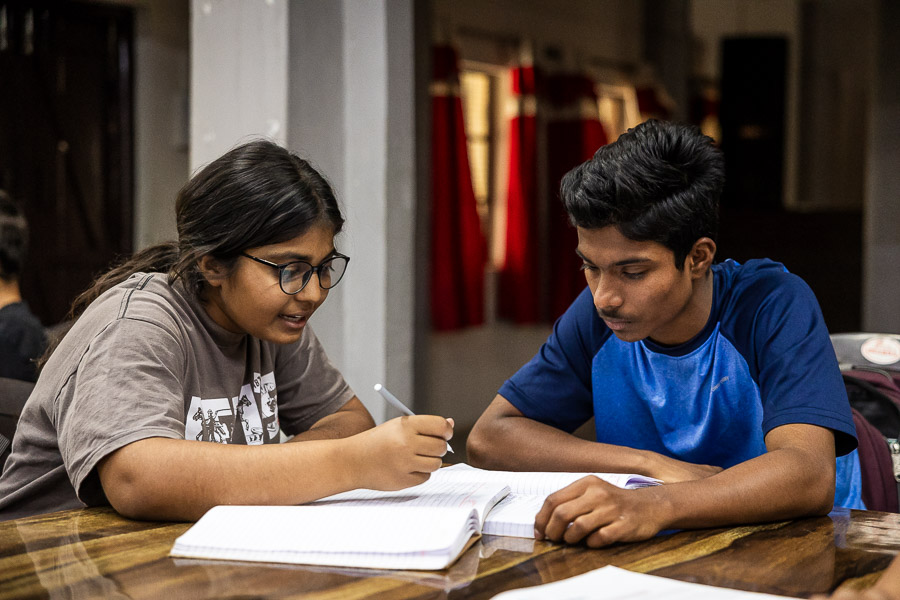
At 4:00pm, the children have tuition time. This is when they sit down to work on homework, revise lessons, and get extra support where needed. Staff and tutors help the children who need a little more attention, making sure they do not fall behind and have someone to guide them through the parts they find difficult.
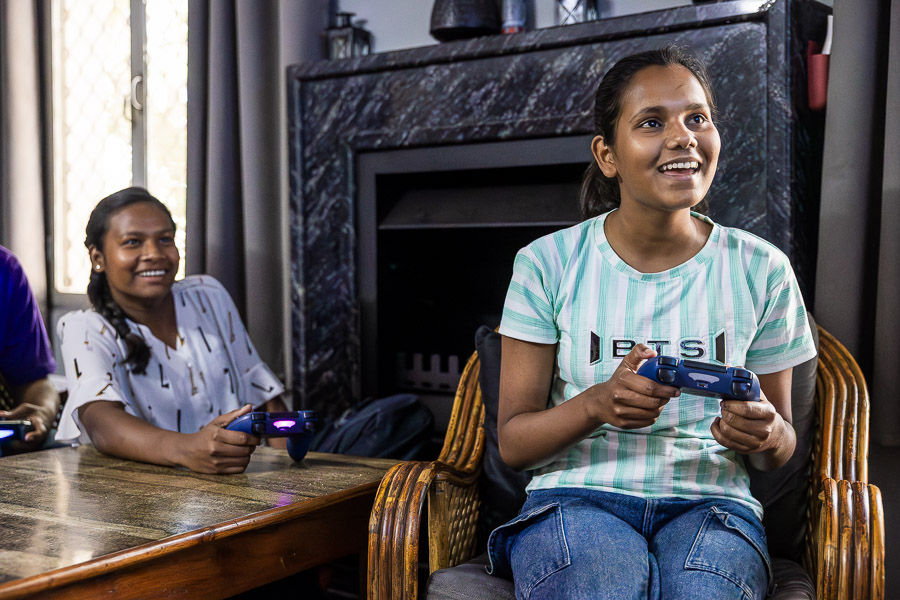
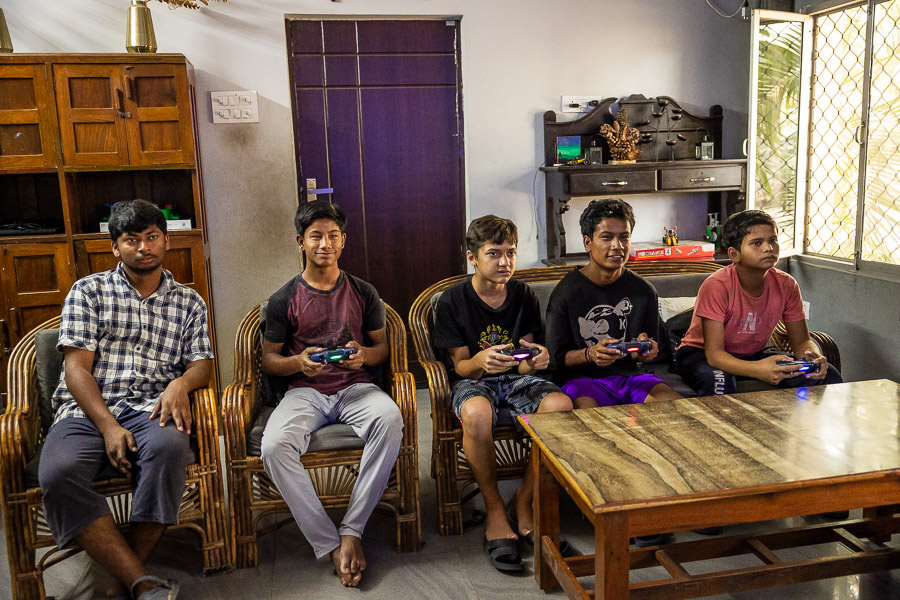
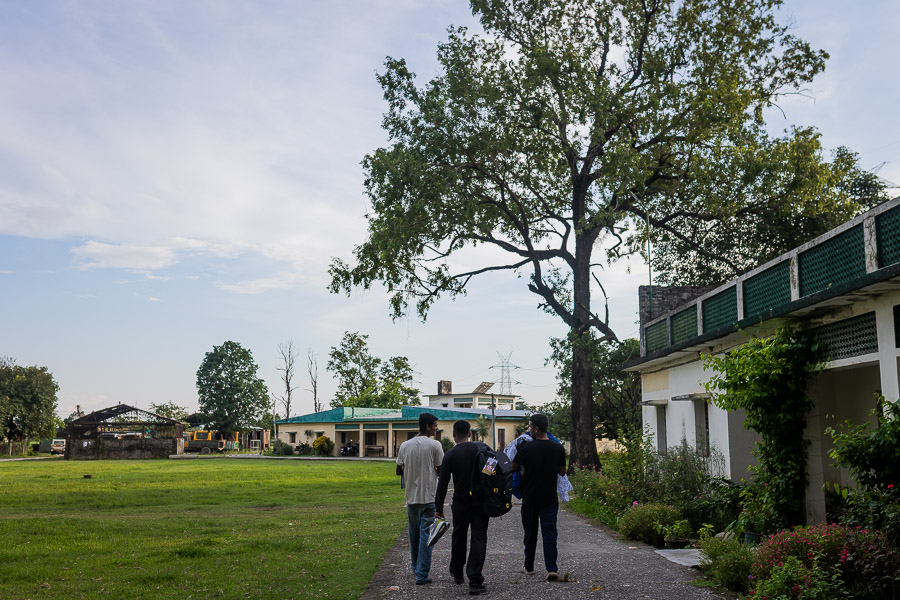
After tuition, the evenings become more relaxed. Some children play outside, some spend time in their hostels, and some join in with games, movie nights, or video games after dinner.
At 7:00pm, we have what we call “Inside Time.” This is when the boys and girls go separately to their own hostels for the night. The campus becomes quieter, the day slows down, and another full day on the farm comes to an end.
A Real Home
Life at the GSAM is not defined by one program, one building, or one activity. It is all of these things together — school, farm, hostels, meals, chores, laughter, work, study, birthdays, emergencies, cricket matches, muddy fields, shared dinners, and quiet evenings.
It is a place where children grow up surrounded by people who know them, care for them, challenge them, and walk with them through each stage of life.
This is life on the farm.